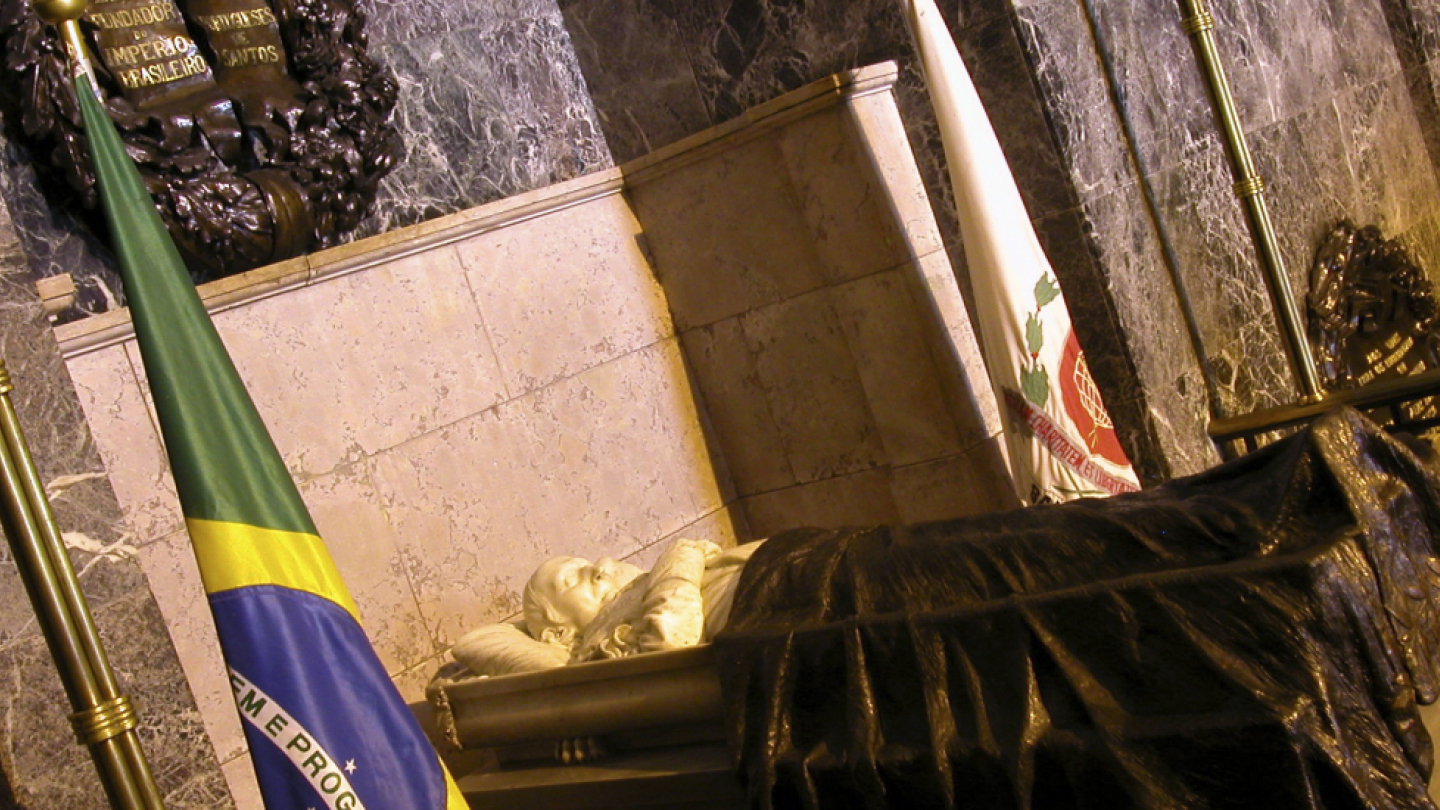
Uma fotografia em plano inclinado captura um sarcófago ou tumba monumental parcialmente coberta com tecido preto, ladeada por bandeiras (incluindo a do Brasil em primeiro plano) dentro de um ambiente interno de mármore escuro

Andrada Pantheon

Top photo: Tadeu Nascimento


The resting place of the ashes of José Bonifácio de Andrada e Silva, the ‘Father of Independence”, and his brothers Antonio Carlos, Martim Francisco and Father Patrício Manuel, the pantheon was inaugurated on 7 September, 1923. The civic monument occupies the space of the old  of the Carmo Convent gatehouse and consists of the monument designed by sculptor Rodolfo Bernardelli, made in Italy – the pieces arrived in 19 boxes, were then auctioned because of customs issues and acquired by merchants and by the Humanitarian Society of Santos. 
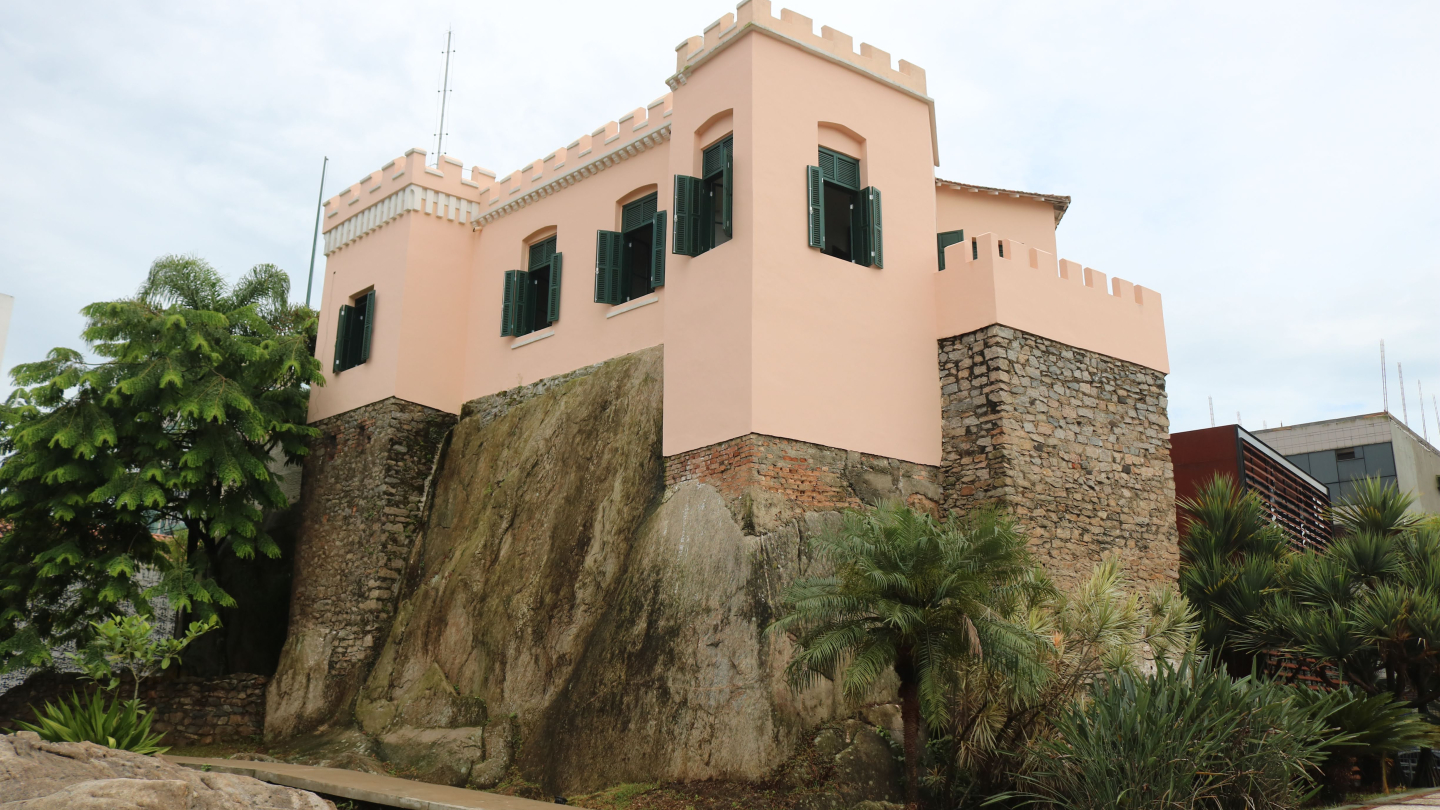
Um prédio histórico de cor salmão, com janelas de venezianas verdes e telhado com ameias. Ele está construído sobre um grande rochedo e cercado por vegetação

Saint Catherine’s Mount

Top photo: Tadeu Nascimento


Saint Catherine’s Mount marks the foundation of Santos – knowing the exact spot of its foundation is a privilege that few cities in the world enjoy.  This small mount bears the name of the chapel that existed at the foot of this small hill, built in 1532.

In 1591, English pirate Thomas Cavendish sacked the city, destroyed the chapel and threw the statue of Saint Catherine of Alexandria into the sea. After 72 years, while fishing with a net, Jesuit slaves happened to take the statue out of the water by chance.

The first Santa Casa de Misericórdia hospital in Brazil was installed next to the chapel in 1543. For years the mount supplied stones for the paving of the roads and extension of the port. 

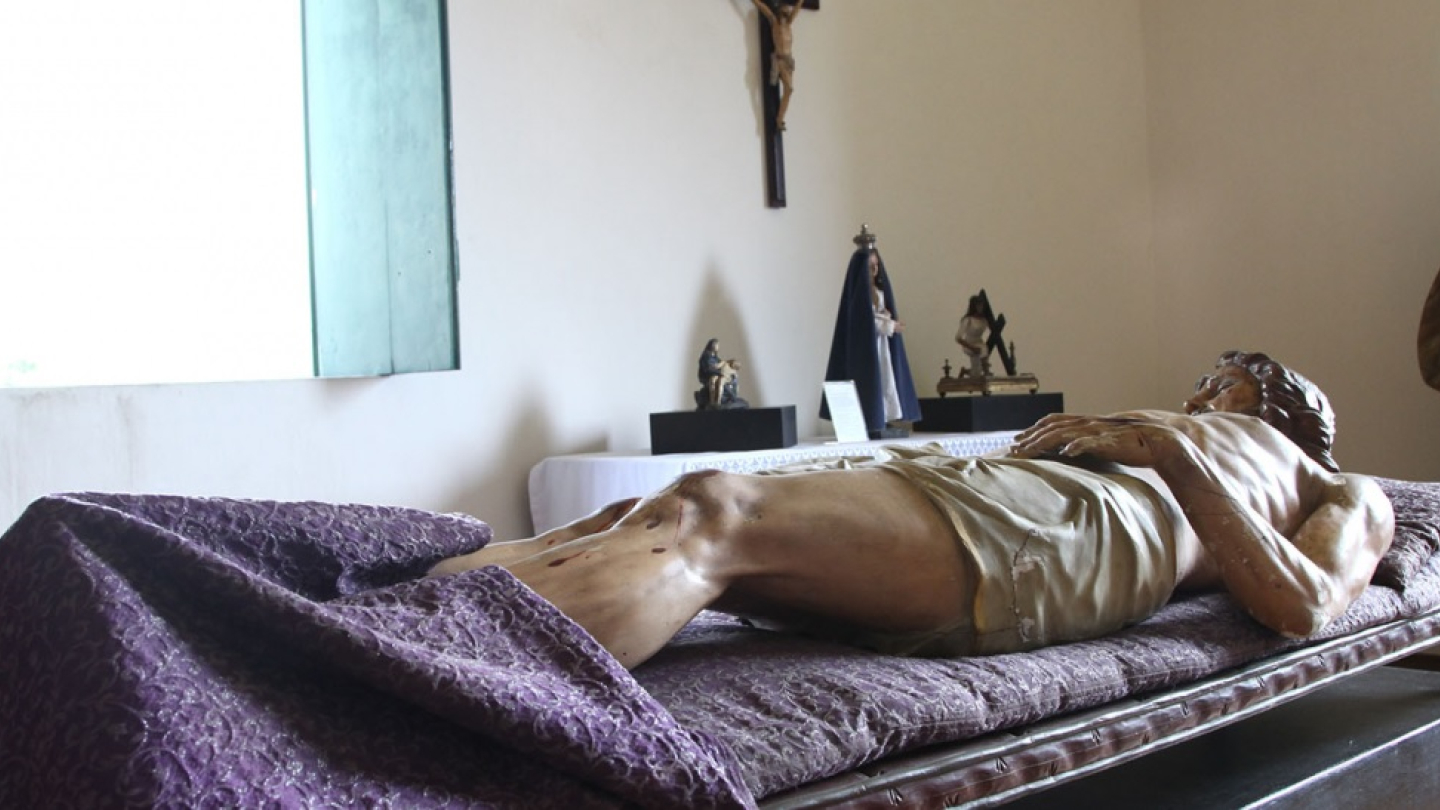
Uma cena de arte sacra em um quarto iluminado pela luz de uma janela aberta, onde uma escultura de Jesus morto repousa em um leito coberto com um tecido roxo, com outras estátuas e um crucifixo na parede ao fundo

Museum of Sacred Art

Top photo: Francisco Arrais


The Benedictine architectural complex composed of the Igreja Nossa Senhora do Desterro (Our Lady of Exile Church) and the old São Bento (Saint Benedict) Monastery is the Santos Museum of Sacred Art today. It was inaugurated on June 11, 1981, on the initiative of the then Diocesan Bishop Dom David Picão.

The collection brings together more than 600 sacred and religious pieces, both erudite and popular, from the 16th to the 20th century,  including sculptures, paintings, liturgical objects and vestments. The oldest statue in Brazil with a known artist is part of the collection: Our Lady of the Conception, dated 1560, by João Gonçalo Fernandes.

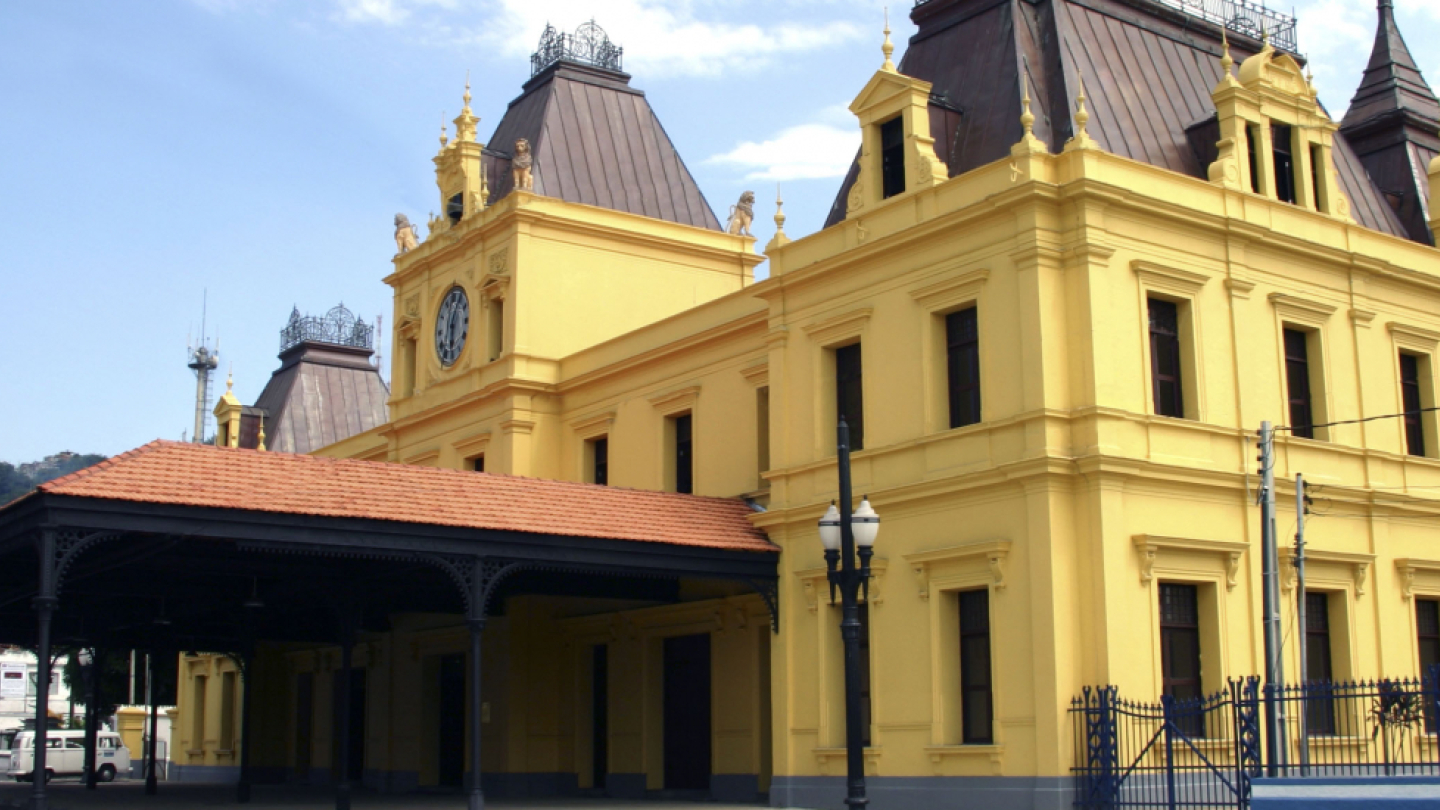
Prédio histórico de fachada amarela com detalhes arquitetônicos clássicos e telhados inclinados em tom marrom. No centro, há uma torre com relógio. À frente, uma cobertura metálica preta e postes de iluminação completam a cena. O céu está claro e há morros verdes ao fundo.

Valongo Station

Top photo: Anderson Bianchi


A true architectural treasure, Valongo was the first station in São Paulo State to hear a train whistle. The station was designed in England and inaugurated in 1867 by the São Paulo Railway, with neo-classical lines inspired by London’s Victoria station, and it is the only building in Santos prepared for snow (!).


The building was constructed on the initiative of Irineu Evangelista de Souza, Baron Mauá, to serve the São Paulo-Santos line, one of first in Brazil. This railway line is considered one of the greatest railway engineering works in the world because of the steep nature of the Serra do Mar Range and the eight-kilometer route, which resembles a slow-motion roller coaster.

Erasmos Sugar Mill (ruins)

Top photo: Antonio Vargas


Considered one of the country’s most important archaeological sites, the São Jorge dos Erasmos mill was the first sugar-cane mill in Brazil, according to Frei Gaspar de Madre de Deus and Iphan (Institute of National Historic and Artistic Heritage).


Built in 1543 at the foot of  Morro da Canaleira, it is considered the only one on Brazil – and perhaps the world – constructed in Azorean style, which identifies the archipelago where the Portuguese developed the sugar industry. This characteristic is attributed because of the unified construction, with all the installations under one roof. It is also the only mill in the country whose ruins are preserved.

Tuiuti Mansion

Also known as Palacete Mauá, this is the oldest residential building in Santos and today is used for commercial purposes. Built in 1818, it is 3,000m2 in area and has undergone much restoration work without great alterations to its architectural features.
 
It was originally occupied by traditional Santos families, among them José Antonio Vieira de Carvalho, governor of Itapema Fort and also a judge, councilor and Local Council president, when this post was equivalent to that of mayor. It was here on March 4th, 1822, that the grandest, most opulent ball in 19th-century Santos was held, ‘the Feast of the Meteors’.
 
Today the building is used for events and cultural activities. At one time, it housed the main branch of Mauá, Santos and Mercantile bans, as well as being used to billet Imperial troops during the Paraguay War. In 1887, the north-American export company Hard Rand took over the mansion, extended it and operated from there from 1922.
 
In the 1980s the building was used as a location for filming of the soap opera Os Imigrantes, broadcast by TV Bandeirantes.

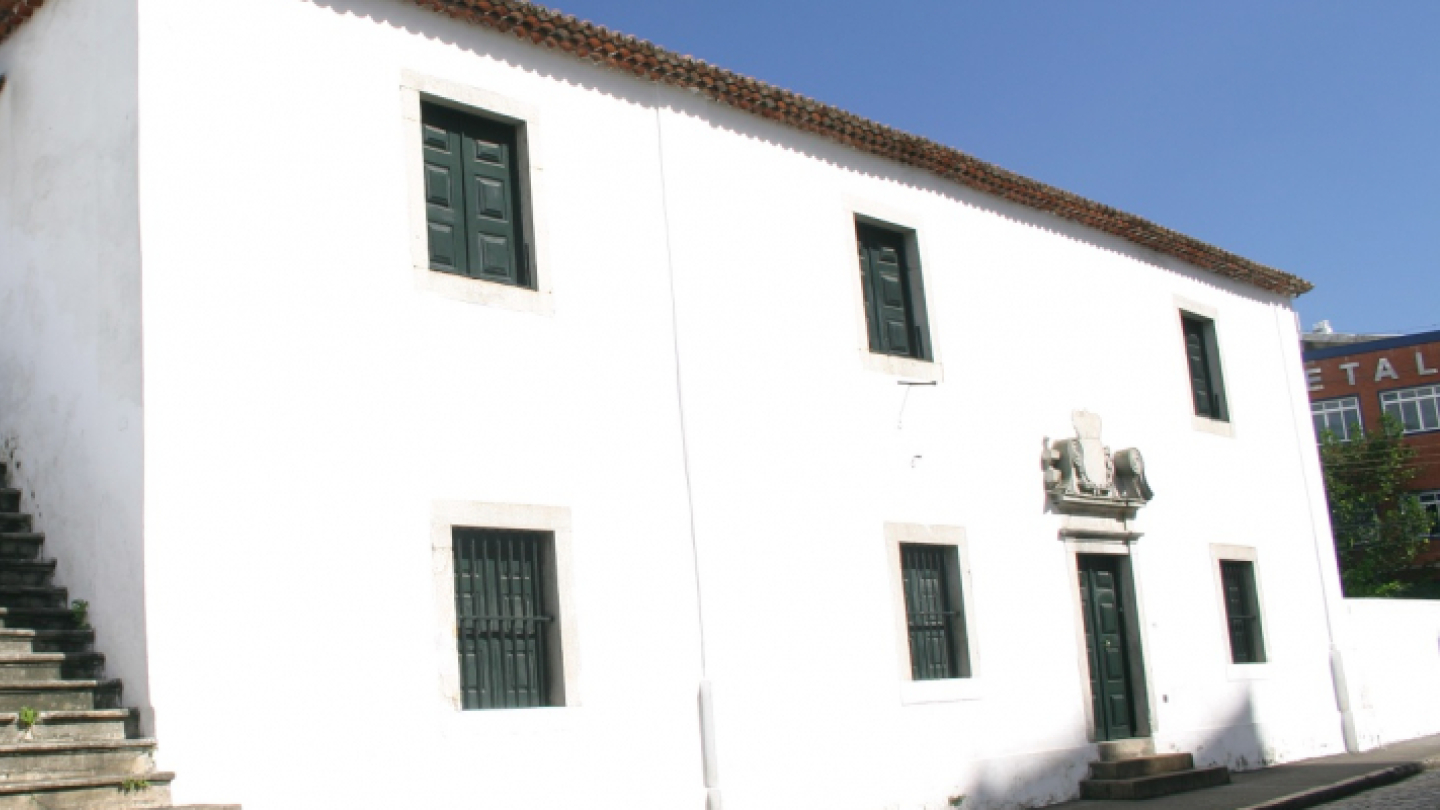
Construção branca de dois andares com escada externa e janelas verdes, combinando arquitetura tradicional com elementos decorativos em ambiente urbano

The Old Arsenal Building / The Artisan's House

Top photo: Tadeu Nascimento


The Old Arsenal is the only colonial military building of its type in Brazil, with original 17th-century Portuguese characteristics, and is the oldest building in Santos

Built between 1640 and 1656 as a depository for war items, that is, weapons and equipment to  protect the then Vila de Santos from attacks by pirates and Indians.

Council Chamber and Prison Building

This architectural monument of great historical value, with an area of more than 2,000m², was started in 1836 but finished only 30 years later. It housed the Council Chamber, prison, and police headquarters, and was the stage for the proclamation in 1894 of Brazil’s first and only Municipal Constitution. Constructed from stone and lime, the building is in Brazilian Colonial style.

House with Tiled Façade

The Casa da Frontaria Azulejada is one of the most important architectural works in Santos. Built in 1865 as a residence and storehouse for Manoel Joaquim Ferreira Netto, from Portugal, the two-story building became famous for its neo-classical façade, covered in imported Portuguese tiles. The ‘U’-shaped construction opens onto the port.
 
Over the years, the building has been used as an office, a hotel, a cargo warehouse, and finally, as storage for chemical fertilizers. In 1973, it was declared a national heritage site, which served only to allow it to fall into abandon. A few years later, it was declared a Municipal, and State heritage site.

In 1986, when it came under municipal control, it was in ruins, with no roof or upper floor. Restoration of the façade began in 1992, with the main door and tiles restored or renewed. This work, carried out by artist Luís Sarasá, was all done by hand, requiring 7,000 separate pieces. This place belongs to Fundação Arquivo e Memória de Santos since 1995.