Main photo: Tadeu Nascimento
A favored spot for fishing enthusiasts and the perfect observation post to watch ships coming and going in the Santos Estuary, this is one of the city’s main tourist attractions.
Main photo: Tadeu Nascimento
A favored spot for fishing enthusiasts and the perfect observation post to watch ships coming and going in the Santos Estuary, this is one of the city’s main tourist attractions.
Santos is home to the largest beach-front gardens in the world, as registered in the Guinness Book of World Records in 2002. Still the record holder, the gardens, which frame the seven kilometers of beaches, are one of the city’s main tourist attractions and stretch for 5.335km, varying in width between 45m and 50m, with a total area of 218,800m2 .
They are also an open-air art gallery, housing no fewer than 38 monuments and sculptures, highlighting characters from the Santos, national and international scenarios.
Top photo: Anderson Bianchi
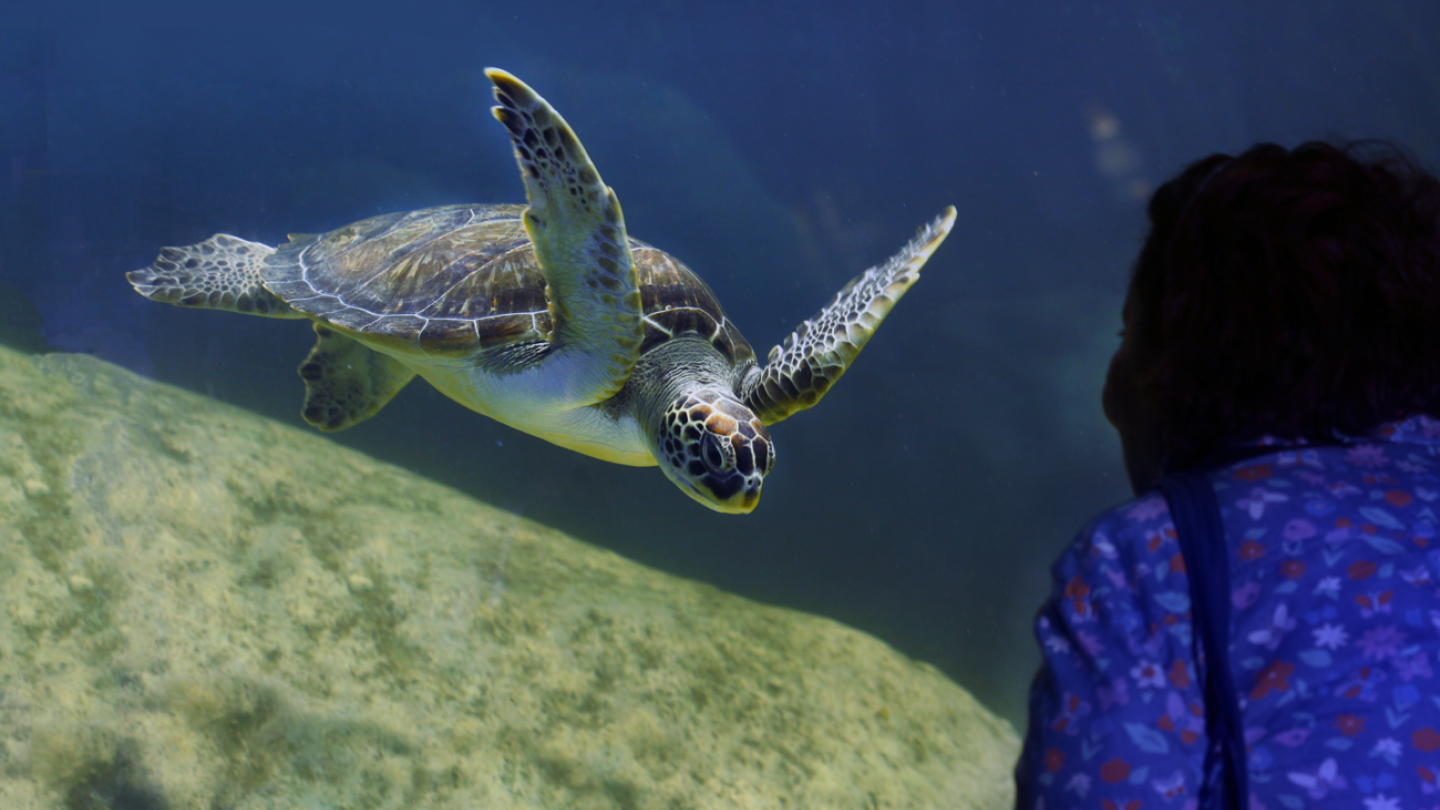
Enchanting generations for seven decades, the Santos Aquarium is the oldest in Brazil, and has featured in the Guinness Book of World Records since 1995.
A favored spot for leisure and knowledge, this attraction is a pioneer in conservation projects concerning the sea and its creatures – it was the first Brazilian institution to carry out rescue and recovery of sea animals. The Aquarium occupies an area of 3000 m², 2214 of which are open to visitors.
Top photo: Marcelo Martins
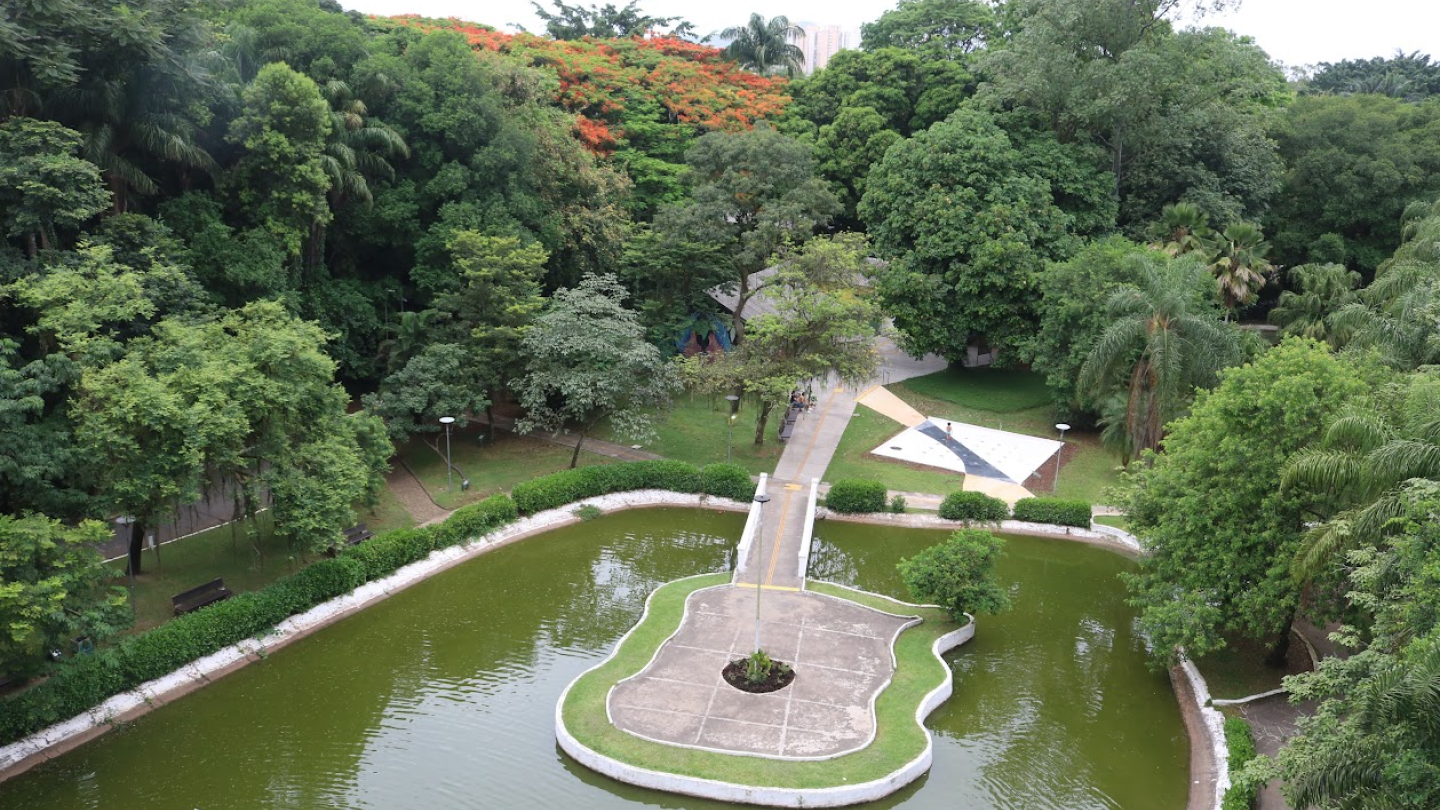
A zoological garden reproducing Atlantic Forest vegetation, the Municipal Orchid Garden boasts around 3500 orchids from 120 species, the vast majority fixed on trees. Inaugurated in 1945, it was the world’s largest open-air garden of it type at the time, and is currently the second most popular tourist attraction Santos, behind only the Aquarium.
Top photo: Raimundo Rosa
This is a park covering 90,000m², with more than 300 catalogued plant species, divided into 20 botanical collections, such as Amazon and Atlantic Forest, hardwood, 65 species of palm trees and endangered species. This diversity can be appreciated on a guided tour. The park offers a playground, as well as 100 meters of paved, well-lit paths, marked every 100 meters, facilitating sports activities. It also has wooden benches and tables, ideal for looking out over the three lakes, home to tilapia and carp, with frequent visits by aquatic birds. Work on the park began in 1925 in the old Municipal Nursery Gardens, located beside Santa Casa hospital, where City Hall gardeners planted the first seedlings and cuttings. In 1973, this work began to be carried out in the current grounds, in Bom Retiro, which then became the Botanical Gardens in 1994, when it started to offer conservation programs, especially for native Atlantic Forest species.
Top photo: Anderson Bianchi
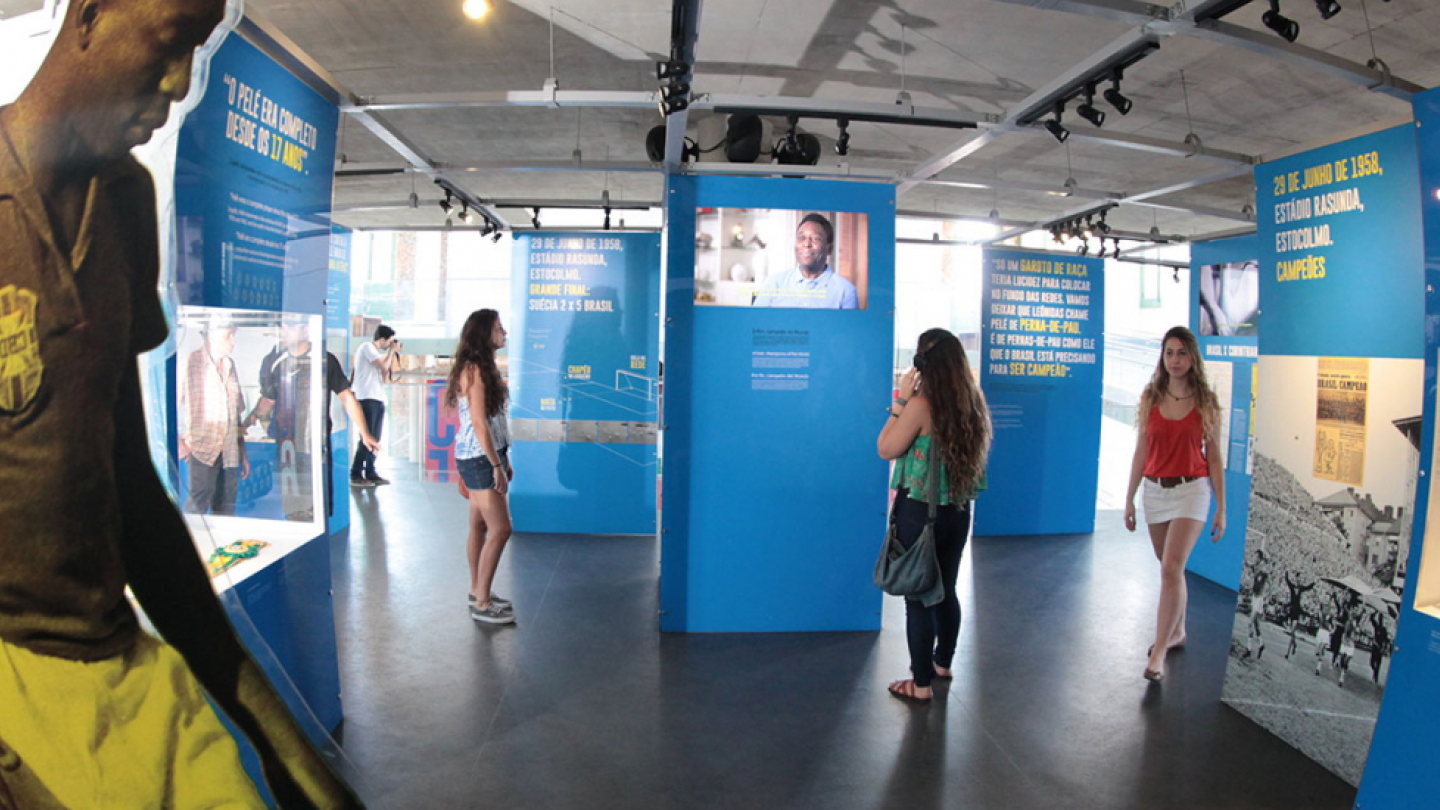
Installed inside the 19th -century Casarões do Valongo, which were damaged by two fires and then completely rebuilt, the Pelé Museum exhibits shirts, football boots, balls, honors and awards, trophies, a football made of socks and a shoeshine box, among other items from the personal collection of "The Athlete of the 20th Century". There are 2,354 items in all, to be displayed in rotation, according to exhibition theme (the first is "4 Cups and 1 King). In the museum's 4,134 square meters the public can also enjoy audio presentations, films, photos and texts about the history of the "King" As well as this, there is an interactive space where visitors can test their ball skills and even compare them to Pelé's performance.