The city’s main beauty spot, these 7km of spotless beaches are fringed by the largest beachfront garden in the world (According to the Guinness Book of Records, 2000), and approximately 7.9 kilometers of cycle lanes. 5.335 meters long and 45 to 50 meters wide, the gardens boast 815 flower beds, housing several perennial species, predominantly yellow (Hemerocalis flava) and white (Spathiphiphyllum sp) lilies; red canna lilies (Canna indica), and white, yellow and multi-colored chrysanthemums (Crysanthemum sp). Engineer Saturnino de Brito first had the idea to build the gardens in 1914. In the following decade, gardens began to appear in front of the hotels, and in the 1930s the first stretch of beachfront gardens was built. The present curved design dates from 1960.
The Shore and Gardens
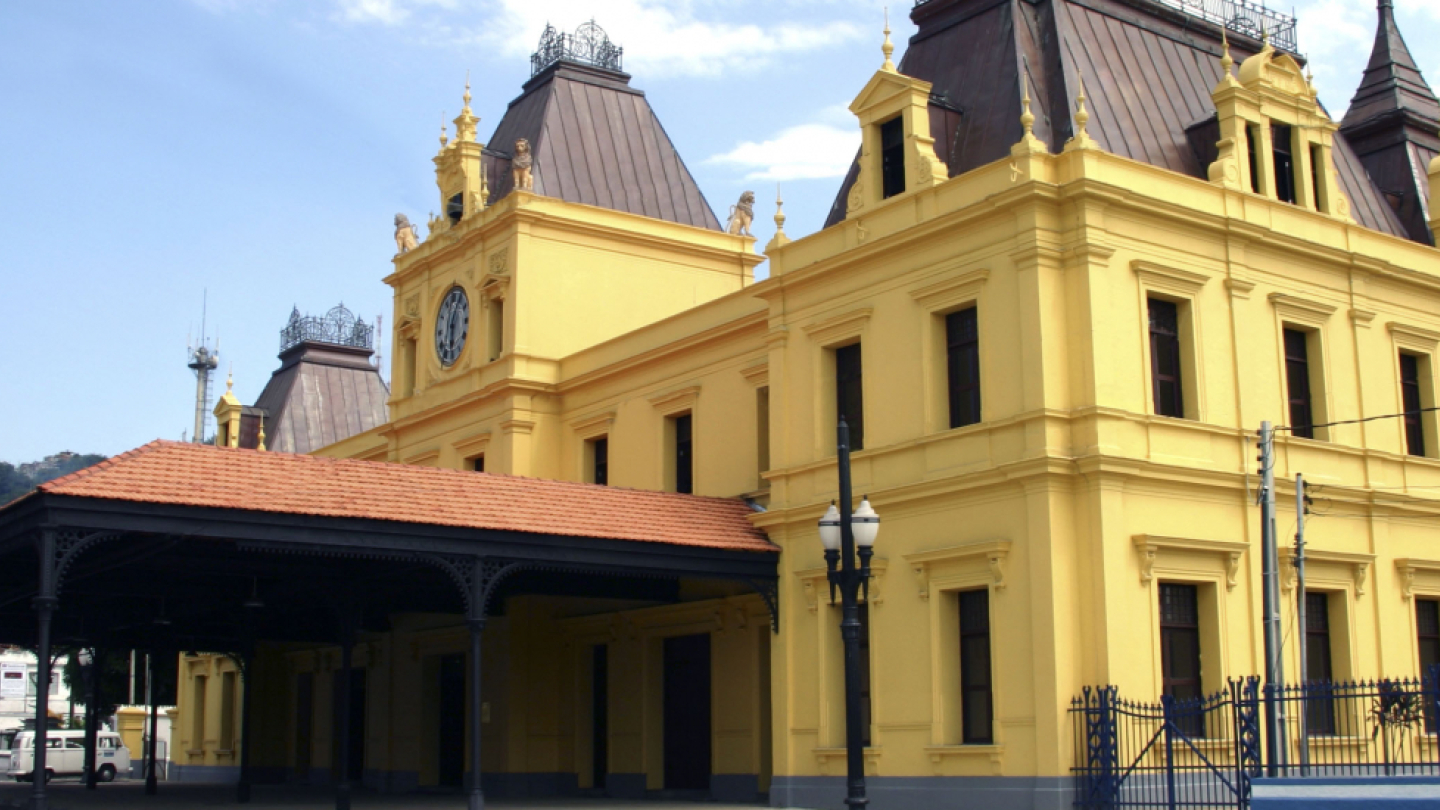
Valongo Station
Top photo: Anderson Bianchi
A true architectural treasure, Valongo was the first station in São Paulo State to hear a train whistle. The station was designed in England and inaugurated in 1867 by the São Paulo Railway, with neo-classical lines inspired by London’s Victoria station, and it is the only building in Santos prepared for snow (!).
The building was constructed on the initiative of Irineu Evangelista de Souza, Baron Mauá, to serve the São Paulo-Santos line, one of first in Brazil. This railway line is considered one of the greatest railway engineering works in the world because of the steep nature of the Serra do Mar Range and the eight-kilometer route, which resembles a slow-motion roller coaster.
Erasmos Sugar Mill (ruins)
Top photo: Antonio Vargas
Considered one of the country’s most important archaeological sites, the São Jorge dos Erasmos mill was the first sugar-cane mill in Brazil, according to Frei Gaspar de Madre de Deus and Iphan (Institute of National Historic and Artistic Heritage).
Built in 1543 at the foot of Morro da Canaleira, it is considered the only one on Brazil – and perhaps the world – constructed in Azorean style, which identifies the archipelago where the Portuguese developed the sugar industry. This characteristic is attributed because of the unified construction, with all the installations under one roof. It is also the only mill in the country whose ruins are preserved.
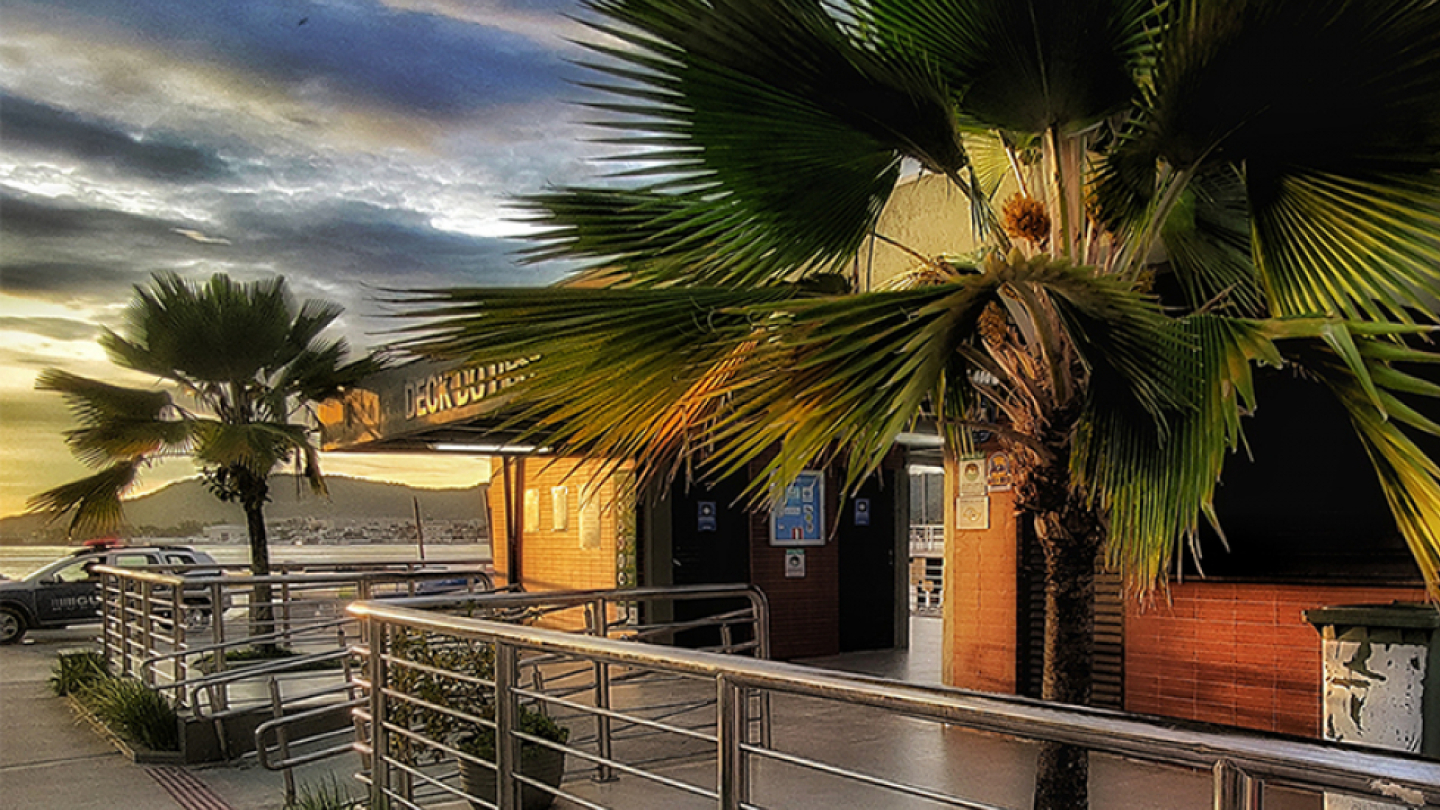
Fisherman’s Deck
Main photo: Tadeu Nascimento
A favored spot for fishing enthusiasts and the perfect observation post to watch ships coming and going in the Santos Estuary, this is one of the city’s main tourist attractions.
Carmo Convent Complex
Top photo: Tadeu Nascimento
A national heritage site since 1940, Conjunto do Carmo, comprising two churches, is considered one of the oldest religious examples of Brazilian baroque. The 18th-century Venerável Ordem Terceira do Carmo church, built by a lay order, is distinguished by its wooden rococo altars, paintings by friar Jesuíno do Monte Carmelo (1764-1819), and by the holy water font, built in 1710. The side altars bear images of Christ on the Way of Sorrows and are considered the most important in the Santos Bay Area for the uniformity of their style. Thanks to these images, the church, consecrated on April 8th, 1760, is known as the Church of the Passion of Christ. Next door stands the Carmelite Convent Church, dating from 1599. The gilded wood altars are in baroque style, adorned with 18th-century devotional images. The presbytery has jacaranda wood pews, used when the brothers make their devotions. Other highlights in this church are the paintings by Benedito Calixto and the very fine candle-holders. The churches are linked by a bell-tower, creating an unusual façade in baroque art, covered by original 19th-century tiles depiciting scenes of Our Lady.
Tuiuti Mansion
Also known as Palacete Mauá, this is the oldest residential building in Santos and today is used for commercial purposes. Built in 1818, it is 3,000m2 in area and has undergone much restoration work without great alterations to its architectural features.
It was originally occupied by traditional Santos families, among them José Antonio Vieira de Carvalho, governor of Itapema Fort and also a judge, councilor and Local Council president, when this post was equivalent to that of mayor. It was here on March 4th, 1822, that the grandest, most opulent ball in 19th-century Santos was held, ‘the Feast of the Meteors’.
Today the building is used for events and cultural activities. At one time, it housed the main branch of Mauá, Santos and Mercantile bans, as well as being used to billet Imperial troops during the Paraguay War. In 1887, the north-American export company Hard Rand took over the mansion, extended it and operated from there from 1922.
In the 1980s the building was used as a location for filming of the soap opera Os Imigrantes, broadcast by TV Bandeirantes.
Old Arsenal
The Casa do Trem Bélico (Old Arsenal), one of the few old military buildings still left standing in the country and the oldest public building in Santos, is an example of colonial architecture of its day. It is believed to have been built between 1640 and 1646, but records show its existence only from 1734.
The city’s first whipping post was erected here. The building, which was used to store arms and ammunition to protect the then Vila de Santos settlement, became an Army Reserve Training School in 1948.
The name Trem Bélico comes from informal use of the word trem, to mean ‘a variety of objects’.
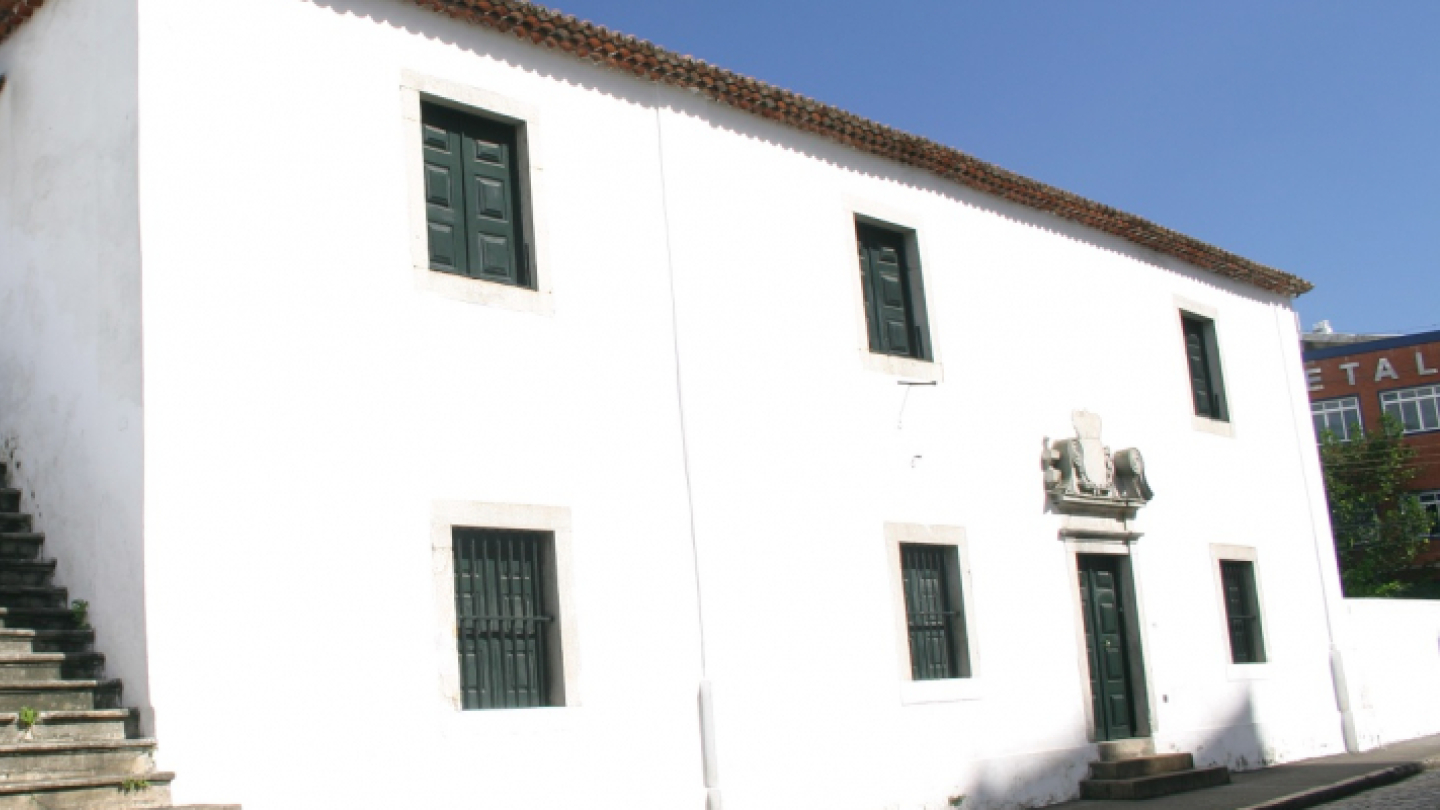
The Old Arsenal Building / The Artisan's House
Top photo: Tadeu Nascimento
The Old Arsenal is the only colonial military building of its type in Brazil, with original 17th-century Portuguese characteristics, and is the oldest building in Santos
Built between 1640 and 1656 as a depository for war items, that is, weapons and equipment to protect the then Vila de Santos from attacks by pirates and Indians.
Council Chamber and Prison Building
This architectural monument of great historical value, with an area of more than 2,000m², was started in 1836 but finished only 30 years later. It housed the Council Chamber, prison, and police headquarters, and was the stage for the proclamation in 1894 of Brazil’s first and only Municipal Constitution. Constructed from stone and lime, the building is in Brazilian Colonial style.
House with Tiled Façade
The Casa da Frontaria Azulejada is one of the most important architectural works in Santos. Built in 1865 as a residence and storehouse for Manoel Joaquim Ferreira Netto, from Portugal, the two-story building became famous for its neo-classical façade, covered in imported Portuguese tiles. The ‘U’-shaped construction opens onto the port.
Over the years, the building has been used as an office, a hotel, a cargo warehouse, and finally, as storage for chemical fertilizers. In 1973, it was declared a national heritage site, which served only to allow it to fall into abandon. A few years later, it was declared a Municipal, and State heritage site.
In 1986, when it came under municipal control, it was in ruins, with no roof or upper floor. Restoration of the façade began in 1992, with the main door and tiles restored or renewed. This work, carried out by artist Luís Sarasá, was all done by hand, requiring 7,000 separate pieces. This place belongs to Fundação Arquivo e Memória de Santos since 1995.