Founded on December 22, 1870, the Santos Commercial Association (ACS) is directly linked to the development of the city and the country. Santos was still a colonial city when the institution was created by a group of businessmen to boost the growth of the port of Santos and, along with it, the economy of São Paulo and Brazil. The founders of the ACS and its members were decisive for many of the advances that the people of Santos saw in the following years: the organized port, the first local secondary school, the first opera house, and the first property security institution. An example of the importance of the ACS to Santos is that in 1891, during a political crisis, the population of Santos entrusted the entity with the administrative management of the city for a brief period.
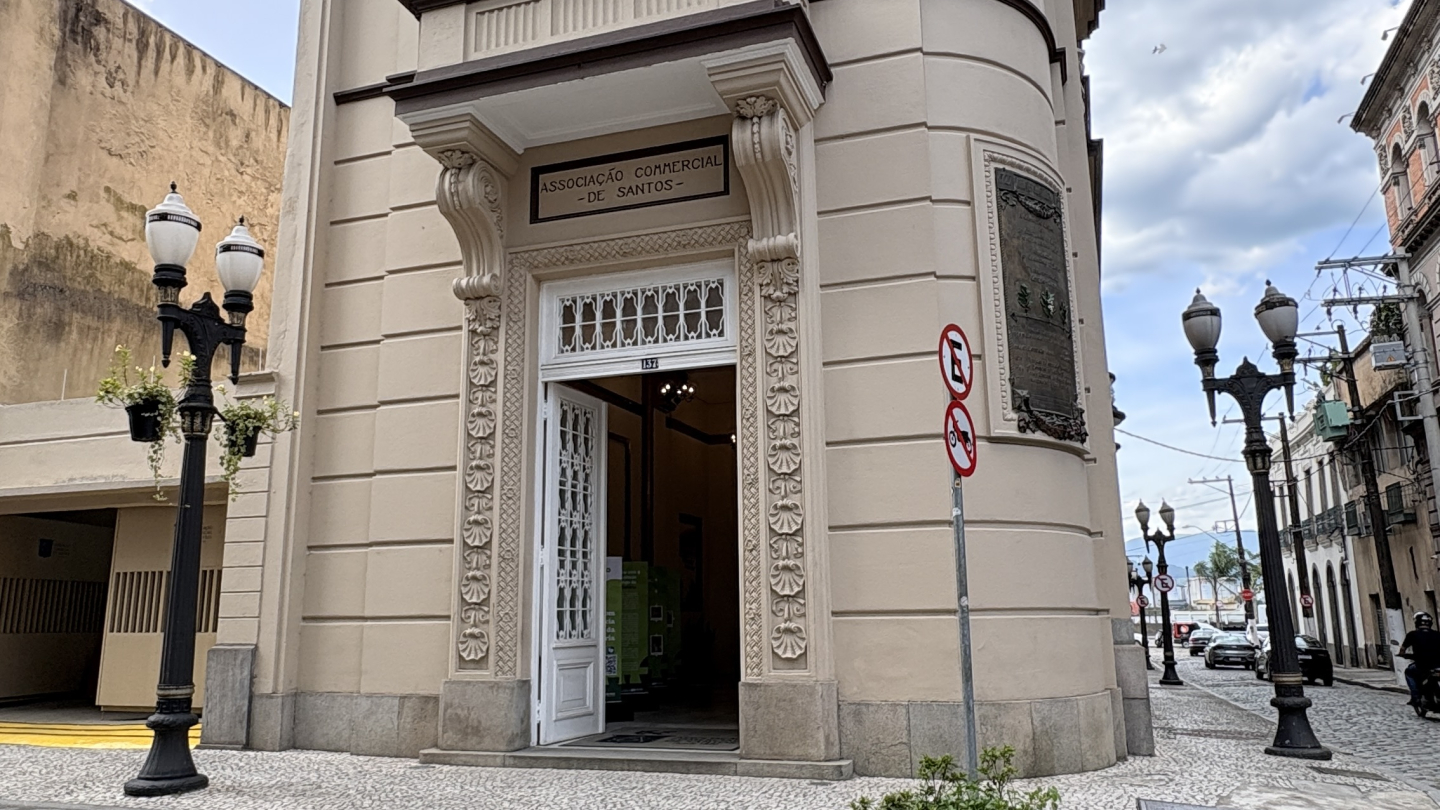
Santos Commercial Association
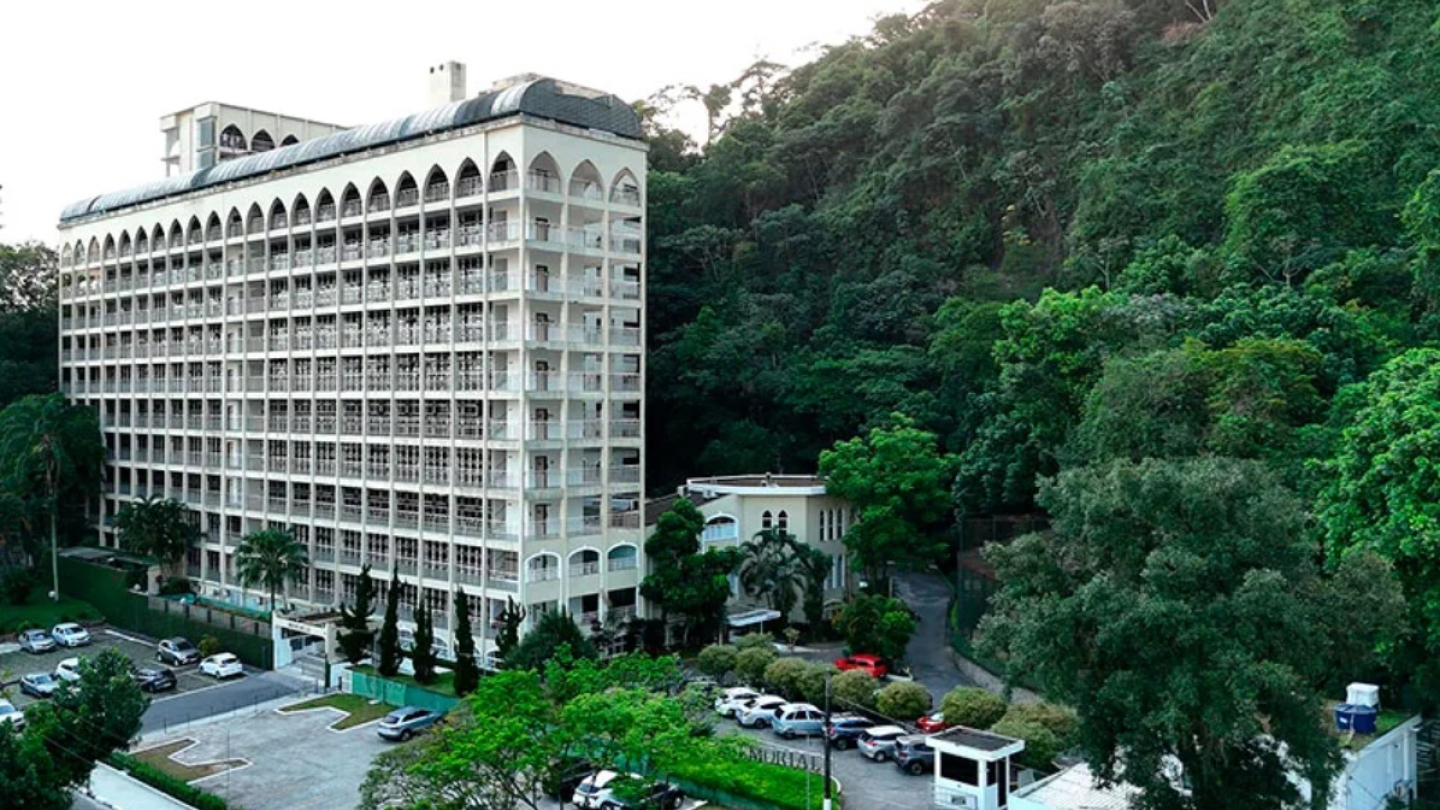
Memorial Necropolis Ecumenical
Built starting in 1983, the Memorial Necrópole Ecumênica is the tallest cemetery in the world, according to the Guinness Book. Today, the site has more than 17,000 niches spread across 14 floors and, with a focus on offering a lighter experience, visitors will also find several shared spaces such as a kids’ area, restaurant, wake room, and chapel.
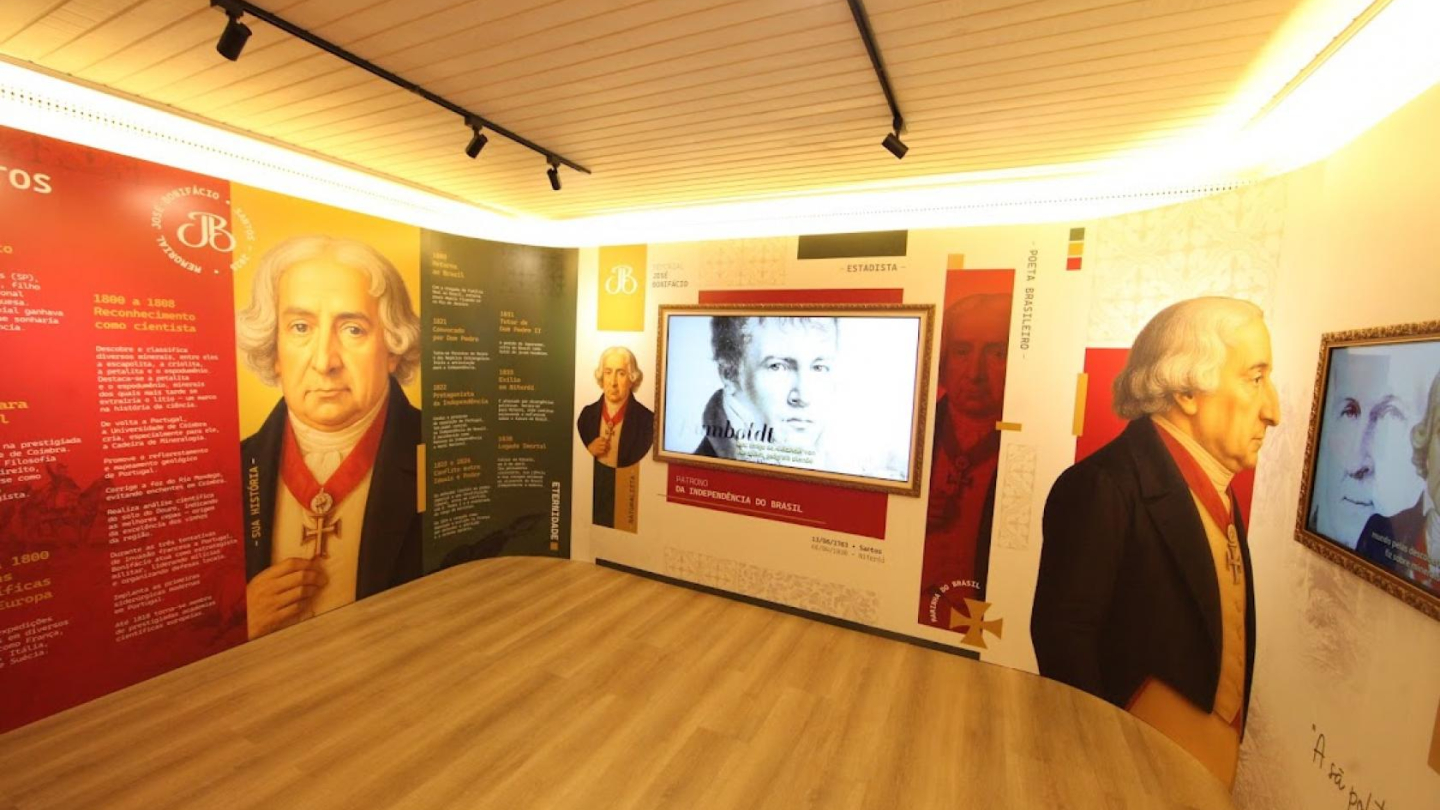
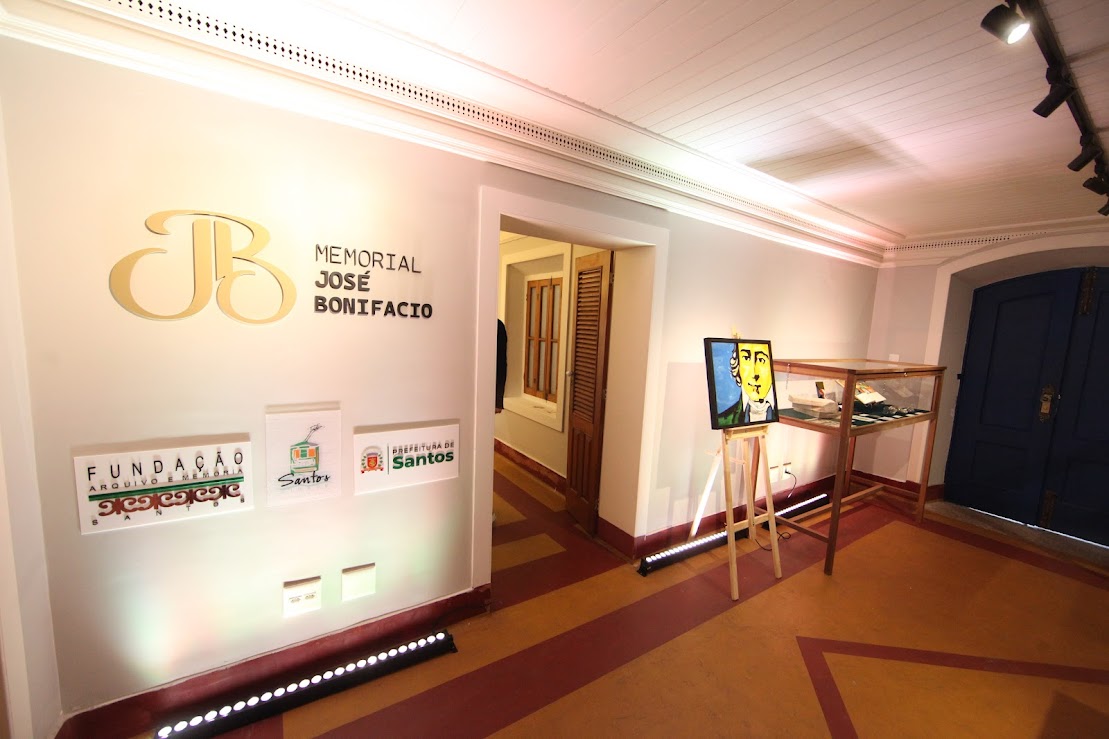
José Bonifácio Memorial
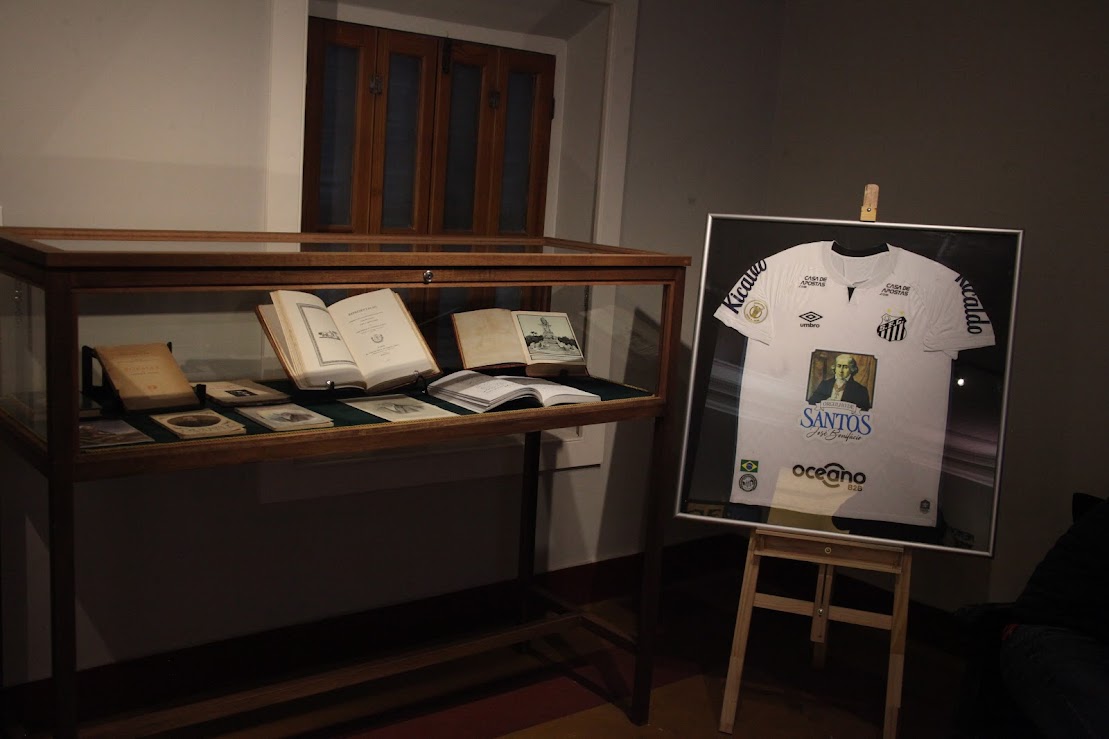
Located in the House of Cultures, the José Bonifácio Memorial now has three rooms dedicated to presenting the unique and surprising history of this saint. The collection includes visual and textual content, videos, and objects such as medals, plaques, books, samples of minerals he discovered, and a bust.
In the very first room, an artificial intelligence animation, produced by the Santos Archive and Memory Foundation (Fams), features José Bonifácio himself welcoming the visitor. In the same space, an augmented reality table presents in detail the monument in homage to the Andradas in Independence Square, in Gonzaga.
Paquetá Cemetery
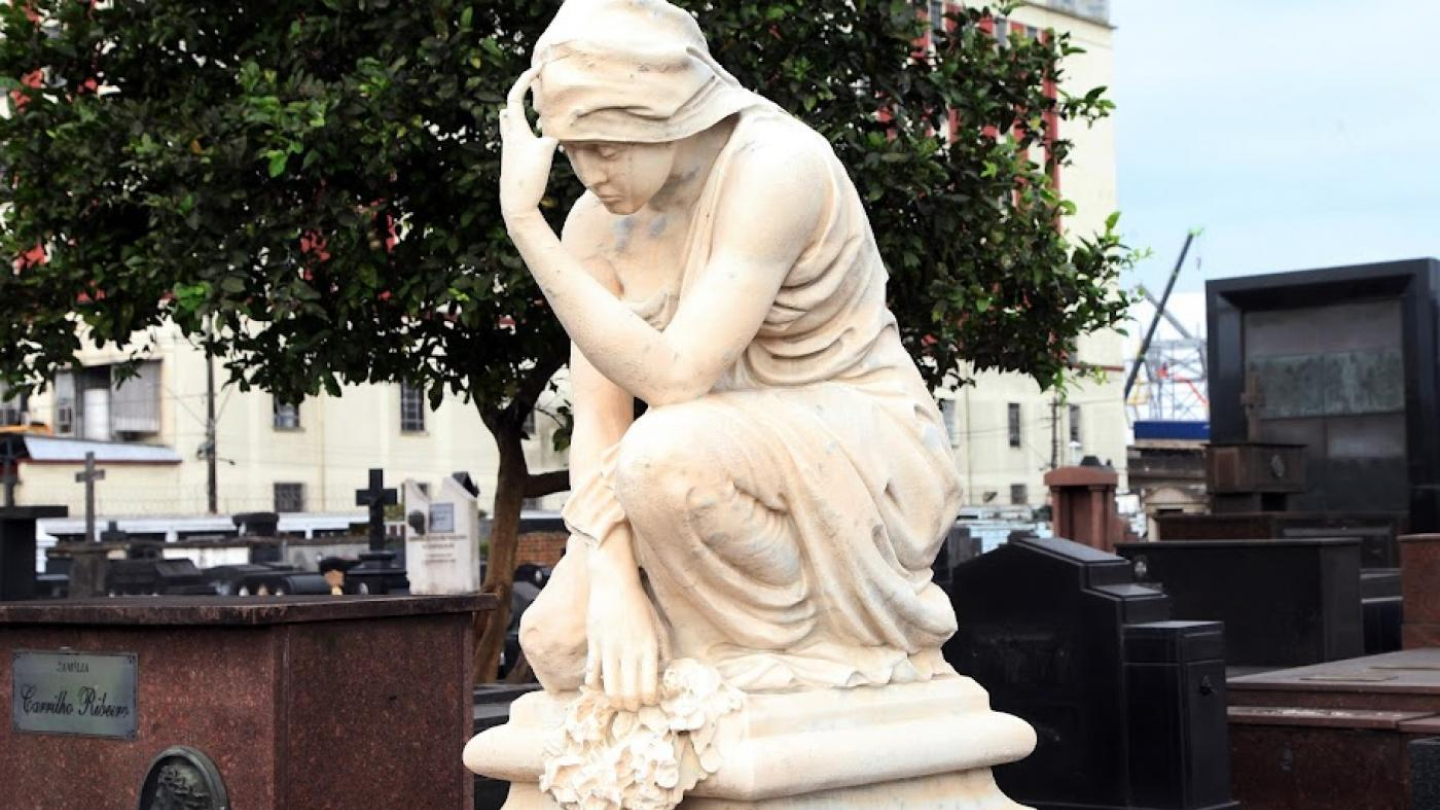
In the mid-1800s, residents of Santos with limited means were buried in a plot of land behind the Sanctuary of Saint Anthony of Valongo. Wealthier families, who made generous contributions to the Church, held their burials inside other churches. This reality changed on November 30, 1854, with the inauguration of the first municipal cemetery in Santos — Paquetá Cemetery — which became the city’s main burial ground.
Guided visit to the José Bonifácio Palace
Headquarters of the City Hall of Santos, the José Bonifácio Palace honors one of the most illustrious Santos citizens, the Patriarch of Independence of Brazil. The building, built in the golden period of coffee, is one of the few public buildings in the State of São Paulo that maintains the original structure and most of the decoration preserved. During the visit, participants will get to know the main lobby, the Noble Hall Esmeraldo Tarquínio, the Princess Isabel Room and the Operational Control Center (OCC).
Limit: 15 people per group
Visits take place at 2 pm and to participate, choose the date and click on the corresponding button to fill out the form:
Santos Convention Center
Top photo: Marcelo Martins
An 800m² mural by artist Eduardo Kobra, focusing on five Santos icons (the Coffee museum, the streetcars, Pelé and the port, depicted inside the city’s characteristic low walls), inaugurated on October 23, 2020, illustrates the facade of the Santos Convention Center, the most modern and comprehensive in the city.
With a constructed area of 32,565.81m², the convention Center, officially opened on October 30, 2020, is located beside Avenida Mário Covas, near the ferryboat terminal that links Santos and Guarujá.
Monte Serrat
Main photo: Isabela Carrari
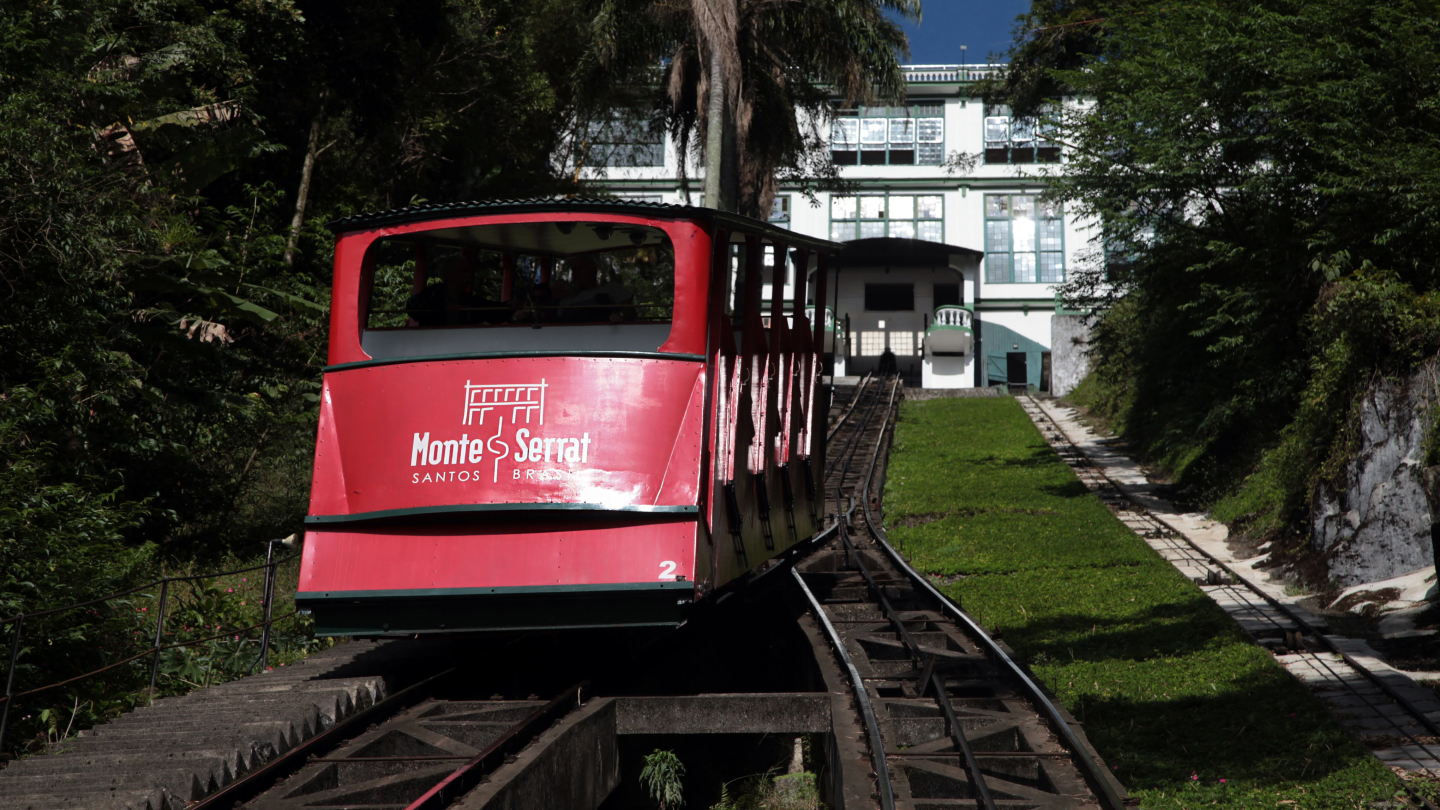
Four minutes of pure emotion, ascending 147 meters, lead to the top of Monte Serrat by funicular railway, where visitors can find the old casino and the Sanctuary dedicated to Our Lady of Monte Serrat (Nossa Senhora Monte Serrat), patron saint of Santos, built more than 400 years ago. Or, 402 steps with 14 niches reproducing scenes from the Via Dolorosa, inaugurated between 1939 and 1941, lead to a breathtaking 360-degree panoramic view of the city, and a partial view of the municipalities of São Vicente, Cubatão and Guarujá.
Monte Serrat is an important part of the history of Santos, since it used to serve as a refuge for the population when the then village was invaded by pirates. During one of these attacks, in 1614, the invaders were finally buried by an avalanche of earth and stones, and this miracle, attributed to Our Lady, made her the city’s patron saint in 1955.
Our Lady of the Rosary Church
Top photo: Francisco Arrais
With its nave of colored marble, this church is one of the loveliest and oldest in Santos. Its origins date back to a chapel where runaway slaves used to hide, built around 1756. The Our Lady of the Rosary of Black Men (slaves) Brotherhood, however, was formed in 1652 – and disbanded in 2008 – and had an altar in the old parish church, which was moved because of restoration works in the 18th century. With the demolition of this building, the Church of the Rosary became the city’s main church, a status it maintained for 15 years, until 1924, when the Cathedral was inaugurated.
Tuiuti mansion
Also known as Mauá Palace, this is the oldest residential building in Santos, constructed in 1818, with an area of 3000m², and renovated many times, with no great alterations to its architectural features.
It was a mansion for traditional local families, among them those of politicians such as Colonel José Antonio Vieira de Carvalho, governor of Itapema Fort and also judge, local councilor and president of the Council Chamber, when this position corresponded to that of mayor. It was in this building, on 4 March 1822, that the most opulent Santos Ball of the 19th century was held, named ‘Meteor Party’.
Nowadays, the space focuses on cultural and commercial events and activities, has also been the headquarters of Mauá, Santos and Mercantile Banks, and was military quarters for Imperial troops during the Paraguay War.
In 1887, North-American export company Hard Rand acquired the building, extended the property, and began to operate there from 1922. In the 1980, the mansion was the location for filming the TV Bandeirantes soap opera ‘Os Imigrantes’(The Immigrants).
Saint Anthony of Valongo Sanctuary
Top photo: Tadeu Nascimento
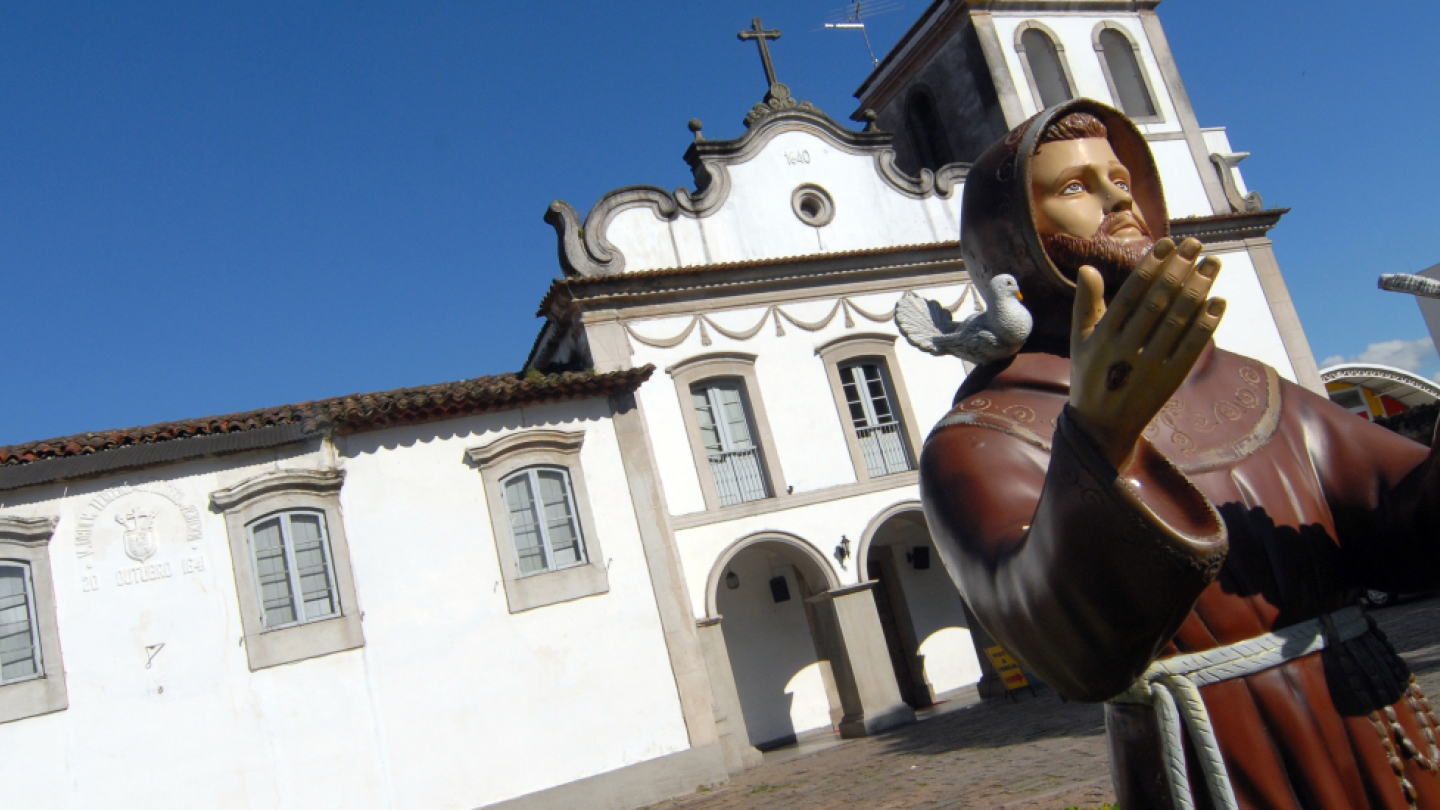
Architecturally rich, with its history marked by a miracle, the Santuário de Santo Antonio do Valongo, built in 1640, was one of the first churches in the country and the second oldest architectural complex in Santos. Baroque in style, its walls are covered in tiled murals from the 1930s and, on the high altar sits one of the few revolving thrones in the country, with the Holy Trinity on one side and on the other, the monstrance for Perpetual Adoration. The Chapel of the Venerable Third Order of Saint Francis, built in 1691, is annexed to the Church, and houses the life-size statue of Saint Francis, in Baroque style, praying before a mystic Christ with Six Wings.