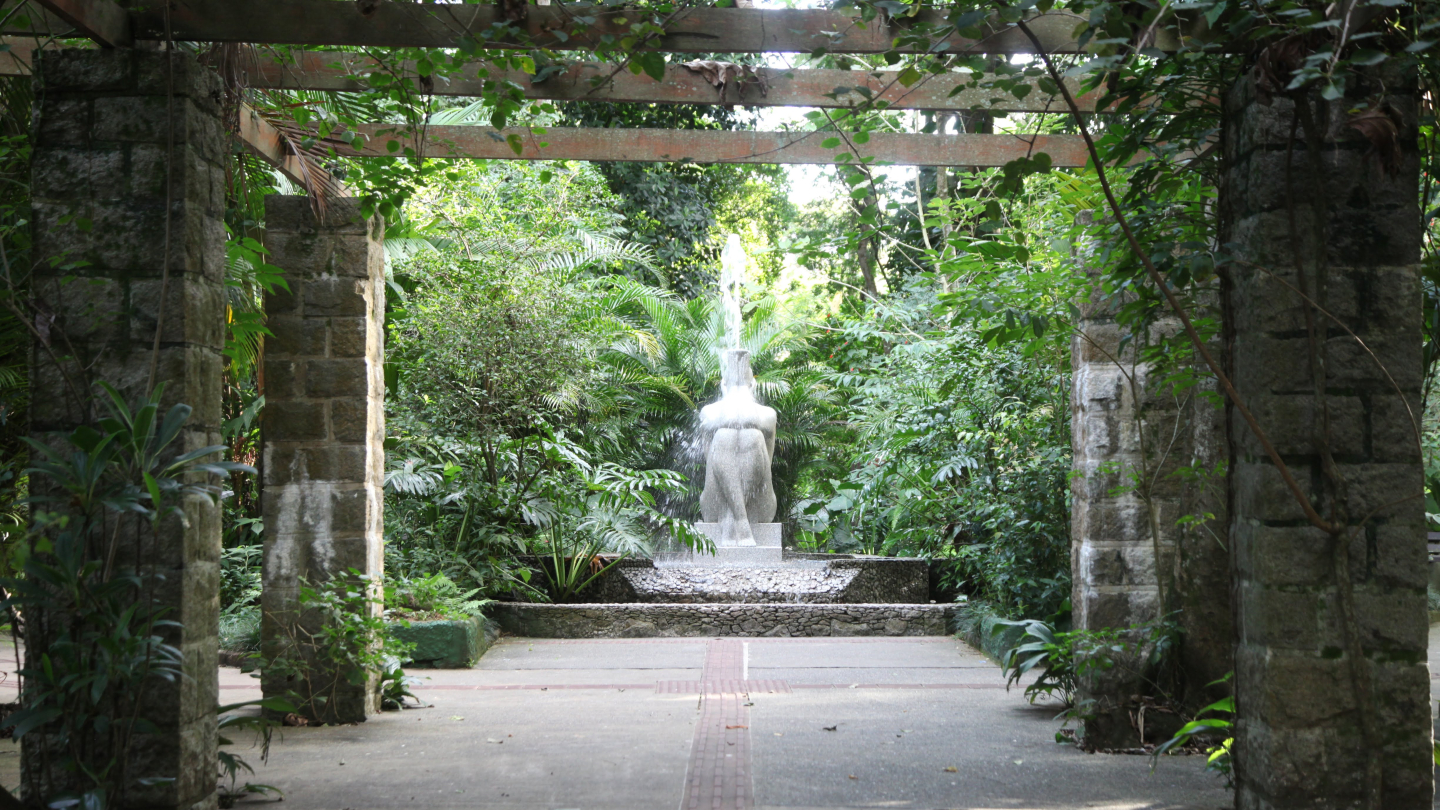


Top photo: Marcelo Martins
A zoological garden reproducing Atlantic Forest vegetation, the Municipal Orchid Garden boasts around 3500 orchids from 120 species, the vast majority fixed on trees. Inaugurated in 1945, it was the world’s largest open-air garden of it type at the time, and is currently the second most popular tourist attraction Santos, behind only the Aquarium.
Attractions
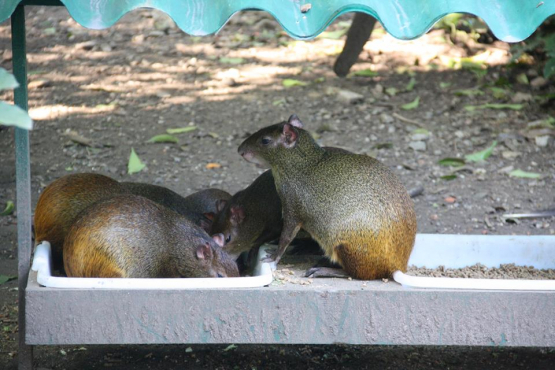
A must-see for all ages, the garden is home to almost 500 animals representing 70 species, many of which roam free, for example the agoutis, tortoises, woodrails and peacocks. Such attractions as the Honey Trail, Sensory Garden and internal Access Vivarium, where birds land very close to visitors, complete the picture. The Zoology Sector is a reference point for the treatment of wild animals and even offers surgical procedures and hospitalization.
Photo: Raimundo Rosa
Urban tropical forest
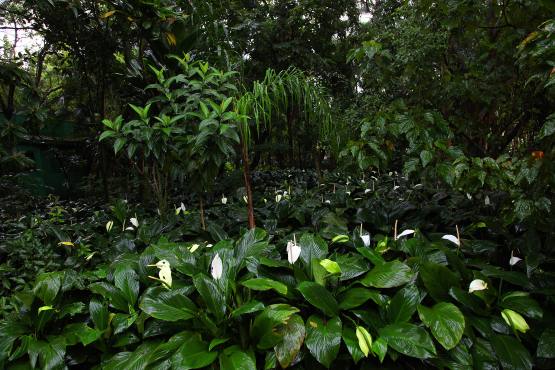
In addition to the species that gives this attraction its name , the Orchid Garden houses 1500 trees and shrubs. It is a true Urban Tropical forest, made up of examples from several countries around the world. There are fruit and medicinal trees, as well as such native species as the pau brasil, embauba, pink trumpet and ironwood, totaling 137 species from 36 families. At over 30m high, a kingwood tree is the park’s tallest and can be seen soon after the entrance.
Photo: Tadeu Nascimento
History of Brazil
Cacao, pau-brasil, manioc, coffee and banana trees inhabit the space called “Plants that recount the History of Brazil’.
Photo: Ronaldo Andrade
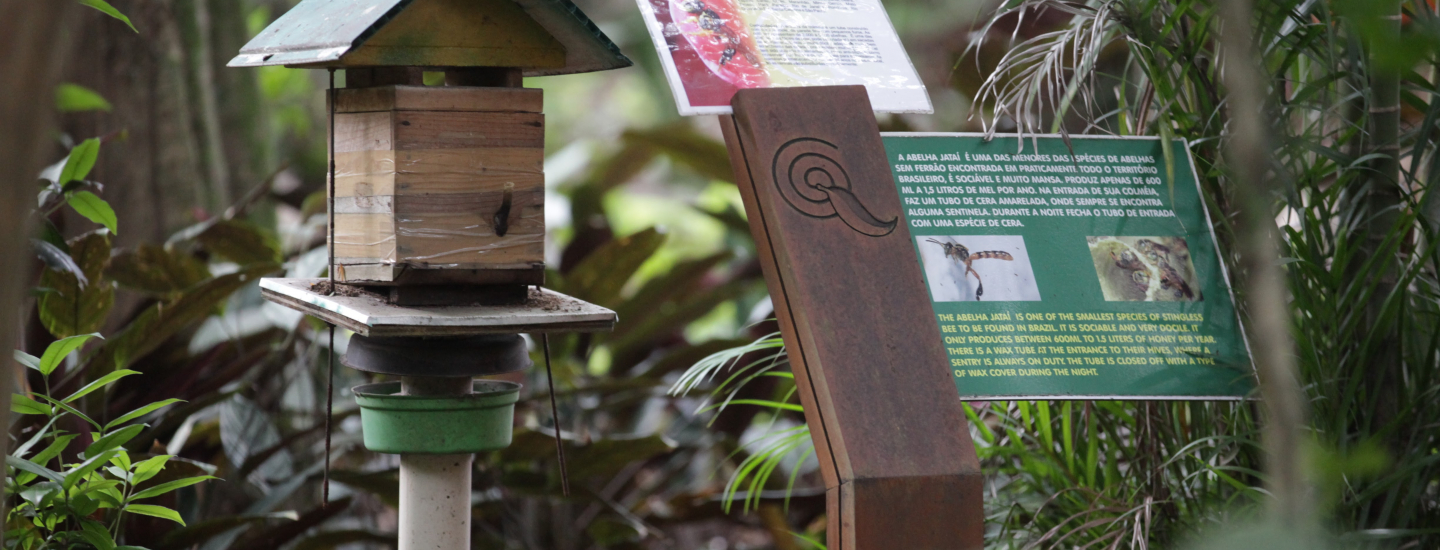
Honey Trail
The Honey Trail is lined with six hives of wild, stingless honey bees from the species raí, jataí, mandaçaia, mandurim and plebeia. In the sensory garden, the ground is made up of various textures, such as gravel, sand and cobblestones.
Photo: Anderson Bianchi
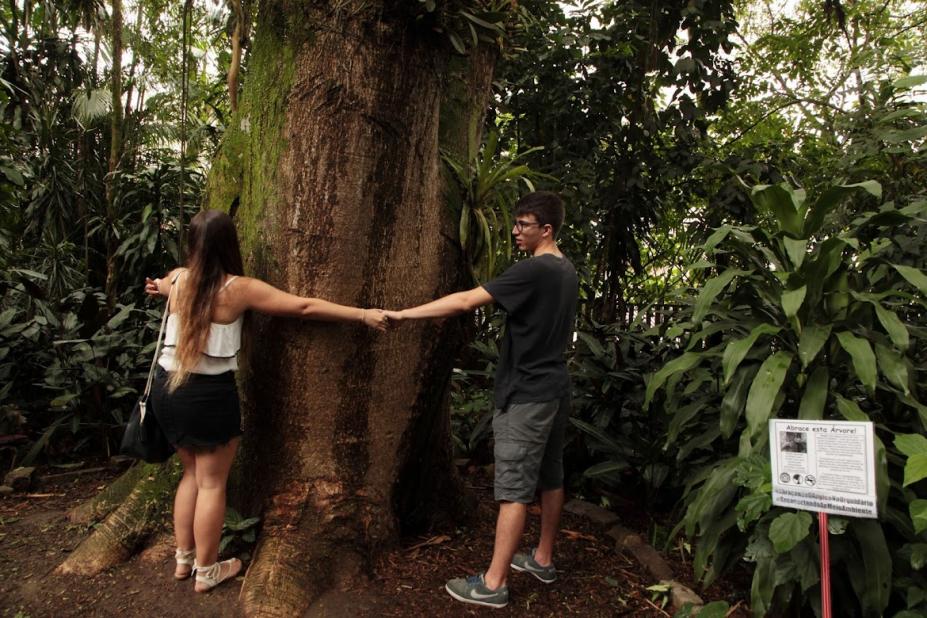
Kingwood
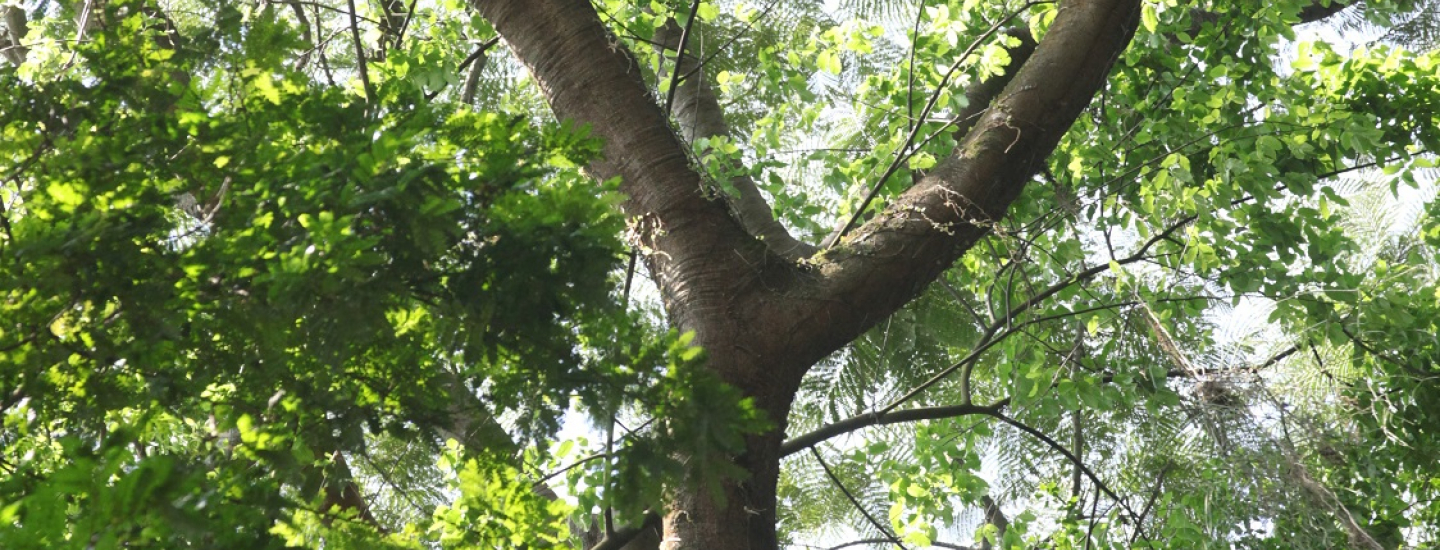
Standing 30 meters high, the kingwood is the tallest tree in the Orchid Garden. It can be seen immediately after at the entrance, to the left of the pergola, and can be identified far from the Orchid Garden. Another highlight is the ajo-ajo. With wrinkled bark and white flowers, it has glands that produce an essence with an aroma similar to garlic. The large angico tree, with white flowers, releases a resin used in the manufacture of chewing gum. The guapuruvu tree, symbol of the Paraíba Valley, another large tree, can also be seen in the Garden. It can grow 3m per year and reach 30m, and its bark is rich in tannin.
Photo: Francisco Arrais
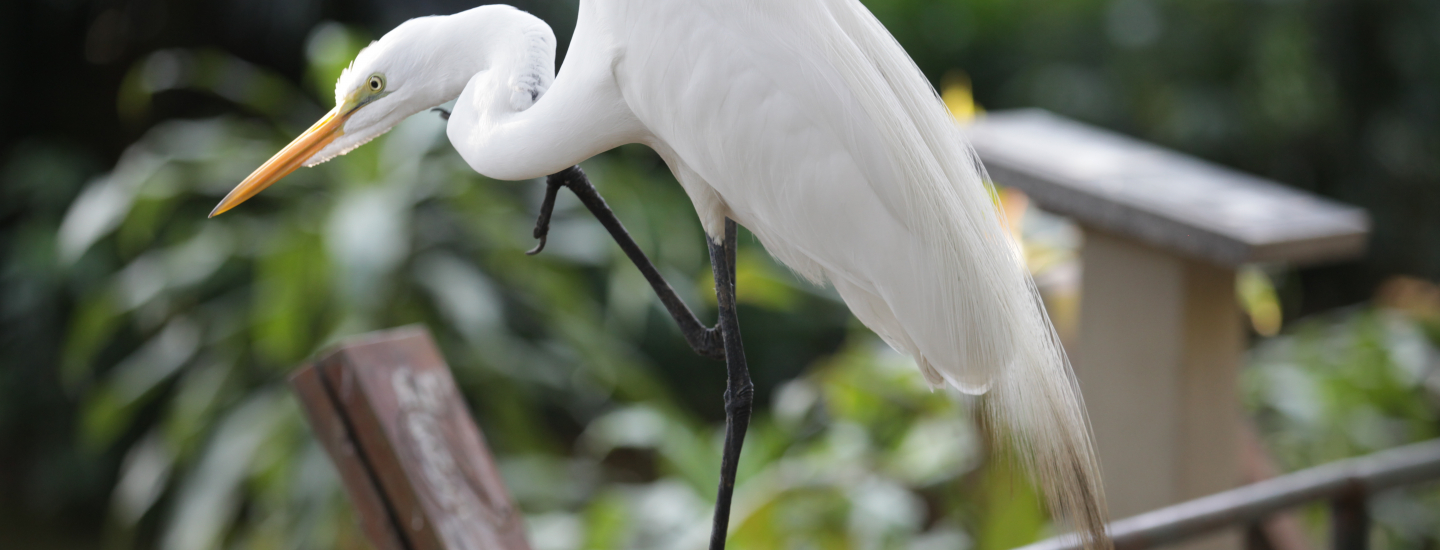
Migratory Birds
Not many people know that the Orchid Garden also attracts migrating birds, among them white-faced whistling duck, which spend the day in the Garden and at night return to the regions mangrove swamps. White egrets, which fascinate children and adults alike in various parts of the city, especially the Fish Market in Ponta da Praia, arrive at the end of the day and settle in the trees overnight.
Photo: Anderson Bianchi
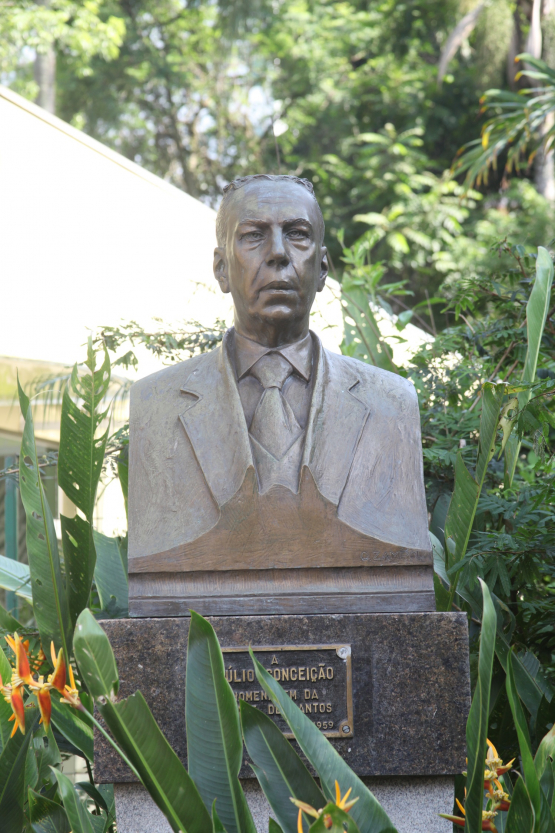
A little history
The Municipal Orchid Garden was inaugurated on November 11, 1945 in order to exhibit the orchids cultivated by Júlio Conceição, Brazil’s first orchidologist, who had died seven years earlier. He lived on a large site in Boqueirão, called Parque Indígena (Indigenous Park), where he cultivated around 90,000 orchids on trees and growing frames, at the beginning of the last century. Opened in 1932, the Indigenous Park, the first establishment open to the public in Santos was a true tourist reference in the city, in operation up to the beginning of the 1940s, even after the death of its founder, in 1938. The biggest open-air orchid garden in the world at the time, the Indigenous Park also housed a pavilion to exhibit the flowers, fruit trees, gardens and beach changing huts, fish tanks, special tank with Amazon electric eels, dovecote and interesting benches made from whale bones. After Júlio Conceição’s death, the area was sold off in lots in 1944 and his collection was sold for a symbolic amount to the City Hall to form the Orchid Garden. But the garden’s story really began in 1903, when engineer Saturnino de Brito began his audacious plan for sanitation in Santos. His project also included the appropriation of lands to facilitate access to the Treatment Plant, opened in 1907, and the construction of a public park opposite this complex. The land was appropriated in 1909 and donated by the State to the City Hall in 1914. But the idea to build the garden would only be taken up 24 years later.
Photo: Ronaldo Andrade