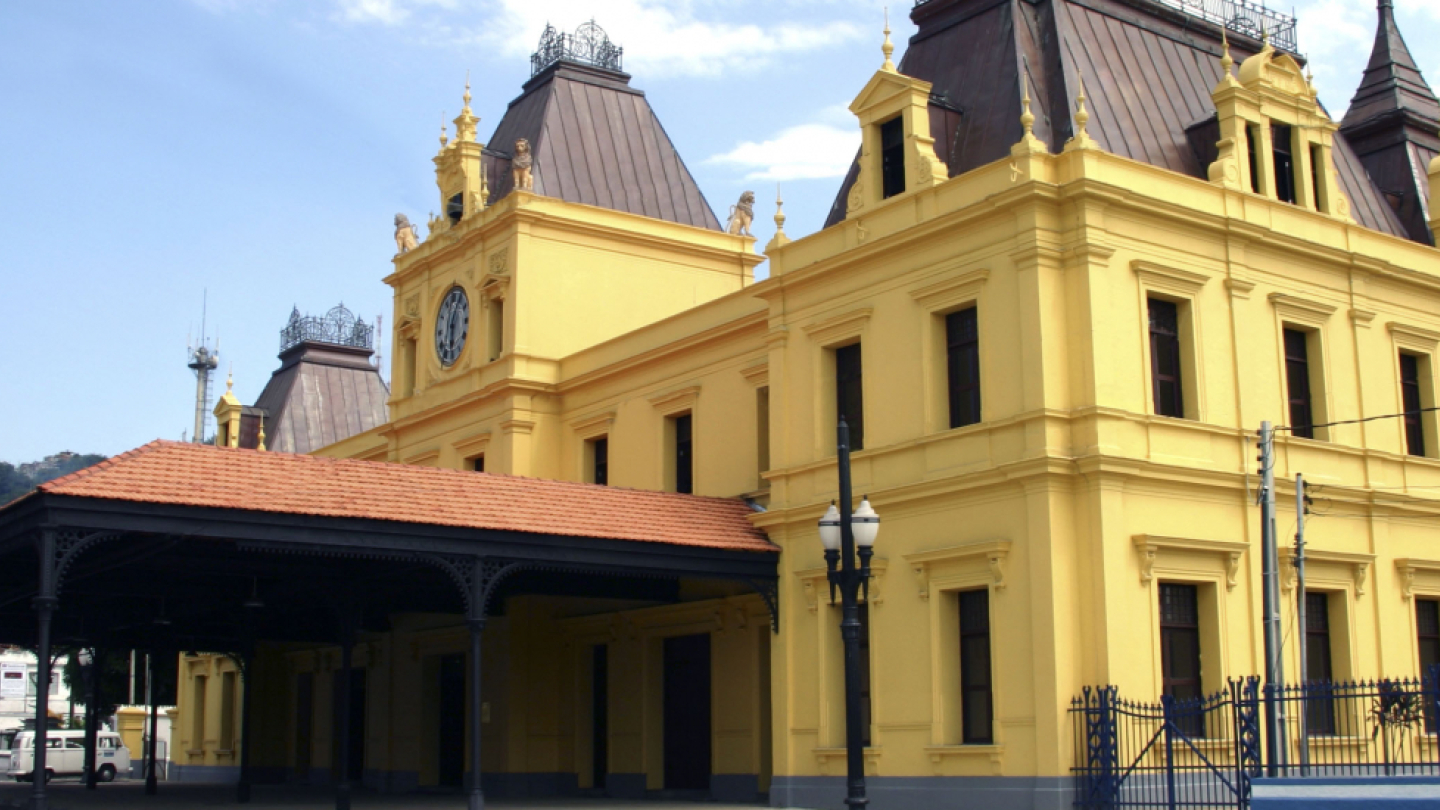


Top photo: Anderson Bianchi
A true architectural treasure, Valongo was the first station in São Paulo State to hear a train whistle. The station was designed in England and inaugurated in 1867 by the São Paulo Railway, with neo-classical lines inspired by London’s Victoria station, and it is the only building in Santos prepared for snow (!).
The building was constructed on the initiative of Irineu Evangelista de Souza, Baron Mauá, to serve the São Paulo-Santos line, one of first in Brazil. This railway line is considered one of the greatest railway engineering works in the world because of the steep nature of the Serra do Mar Range and the eight-kilometer route, which resembles a slow-motion roller coaster.
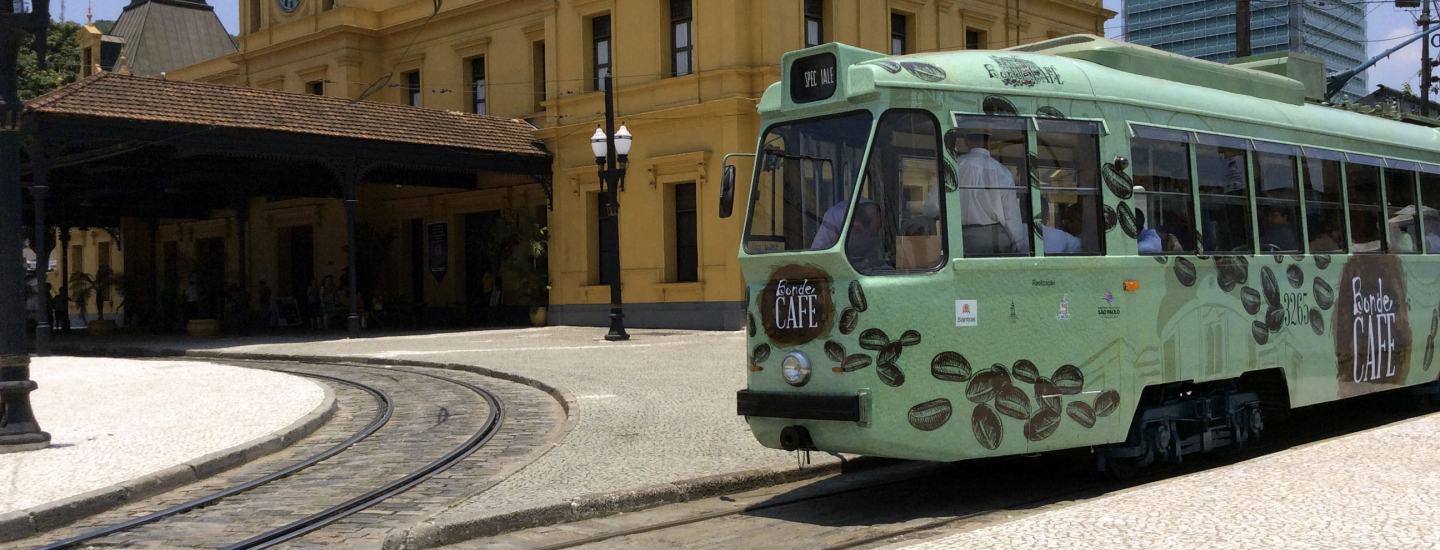
Tram
The Valongo Station is also the boarding and alighting point for the Tourist Tram Line, which features seven electric trams in operation, including the Coffee Tram (Bonde Café), the Pelé Tram (Bonde Pelé), and the Art Tram (Bonde Arte). The ticket office operates at the Pelé Museum, across from the station, and the trams run from Tuesday to Sunday, from 11 am to 5 pm. The line employs the country's first female professionals in the roles of conductor and motorman (driver).
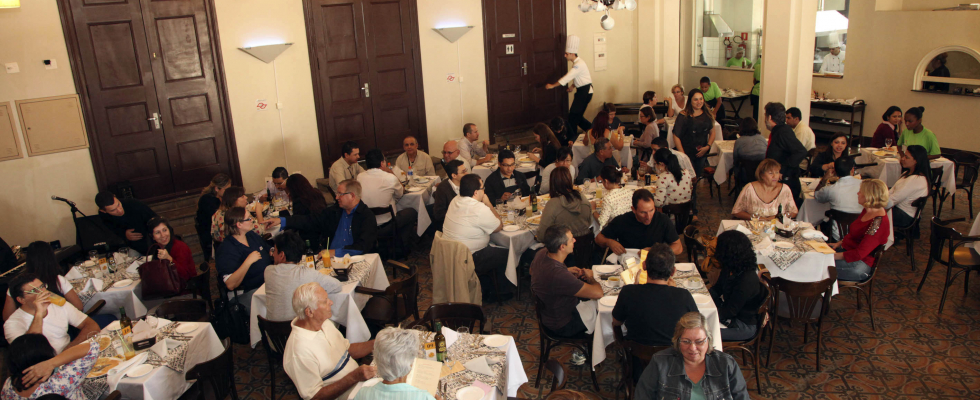
Training Restaurant (Restaurante-escola)
Estação Bistrô, located on the ground floor of the station, is the first training restaurant on the São Paulo coast. The original floor, featuring two types of hydraulic tiles, was discovered in 2003 during the building's revitalization works. Opened to the public on June 5, 2012, the training restaurant focuses on qualifying young people in situations of social vulnerability in the Food & Beverage sector. Created thanks to a partnership between the city hall, the Ministry of Tourism, and the Catholic University of Santos (UniSantos), it operates from Tuesday to Saturday, from 12 pm to 3 pm.
Photo: Francisco Arrais
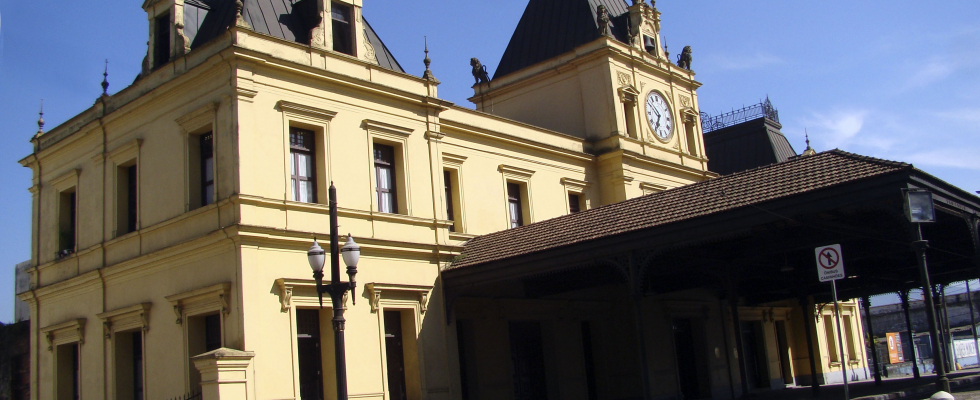
The Building
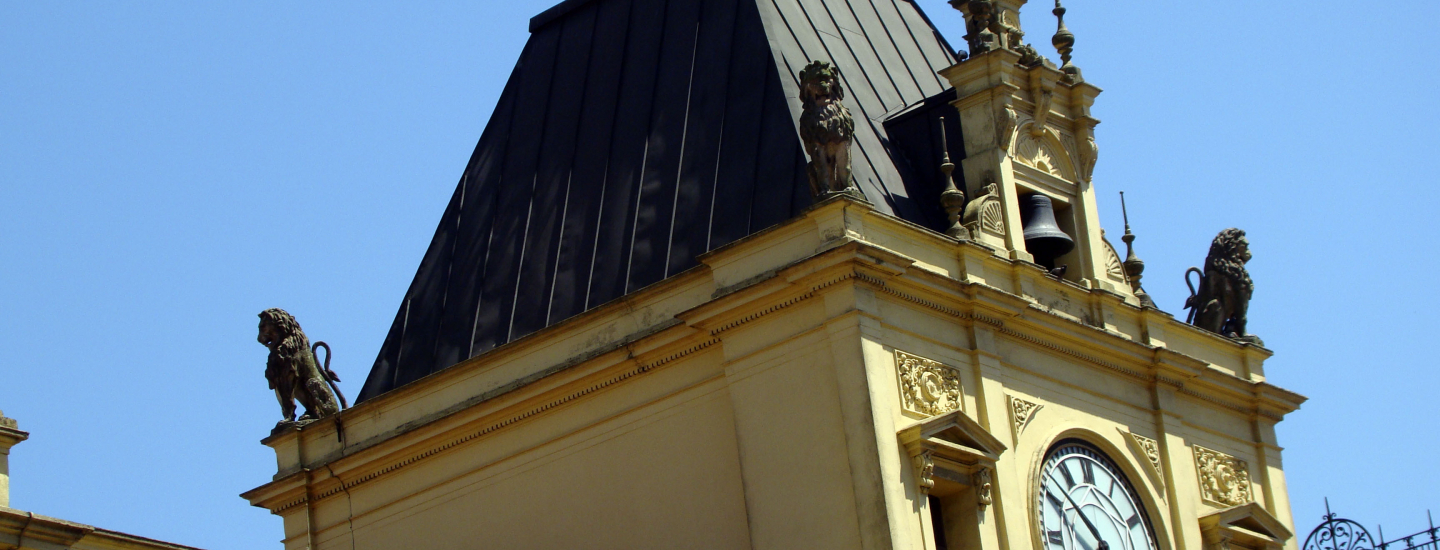
The Valongo station building is basically the original one. In 1867, it already stood out from the other railway constructions along the line implemented in the state, which were characterized by small ground-floor stations with gabled roofs lining the tracks. Renovated in 1895, it gained a second floor, mansard roofs, two turrets, and a few more iron elements.
Photo: Antonio Vargas
Facade
The raised central body features a tower with a clock, symbolizing not only the British punctuality of arrivals and departures but also the capitalist era – 'time is money'. The figures of the four lions on the corners represent the power of the British Empire. Flanking the central structure are two lateral bodies in the same style, with sloping roofs, similar to those adopted in Europe for snow drainage
Photo: Antonio Vargas