

Top photo: Carol Fariah
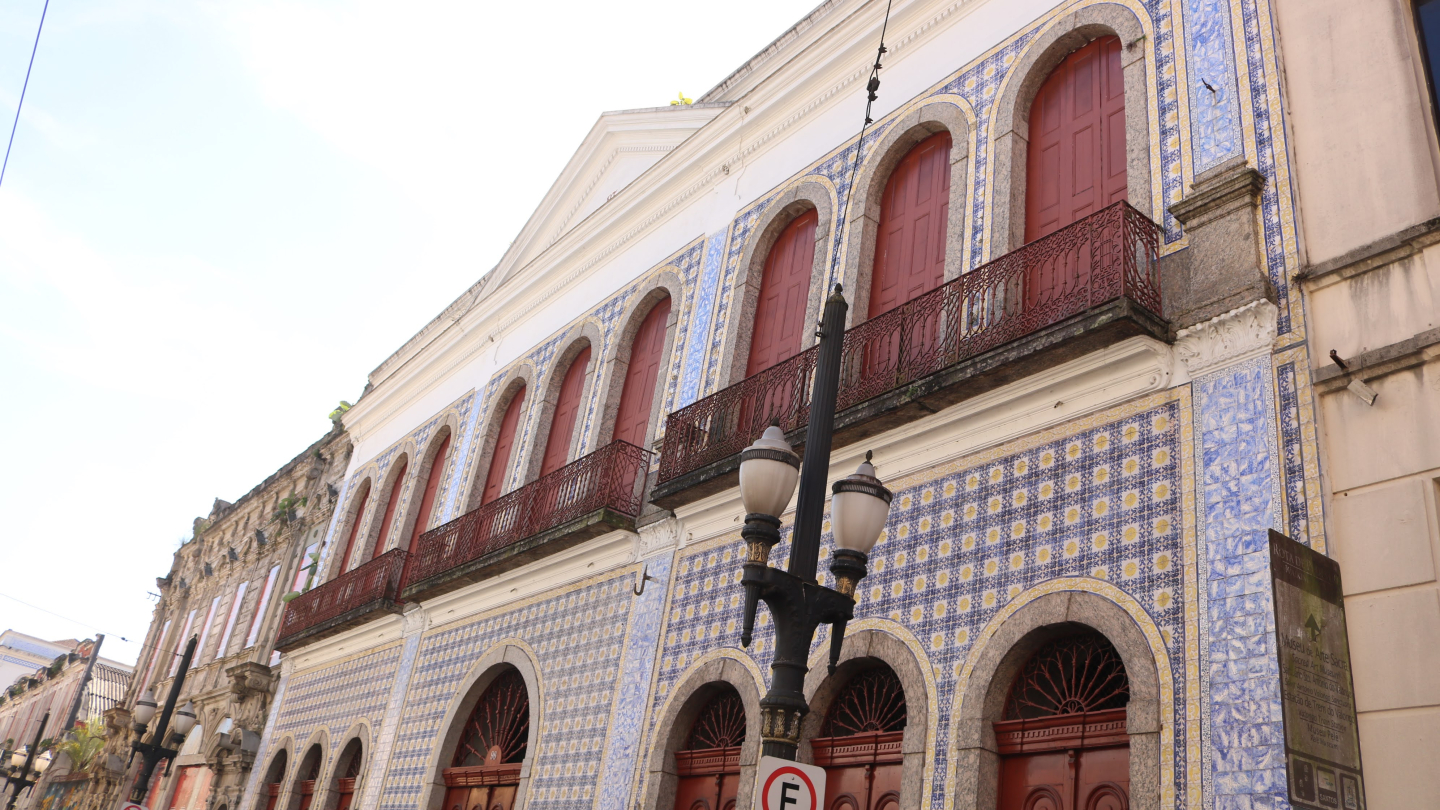
One of the most important architectural works in Santos, the House with Tiled Façade was built in 1865 as a residence and warehouse for Portuguese commander Manoel Joaquim Ferreira Netto (1808-1868).
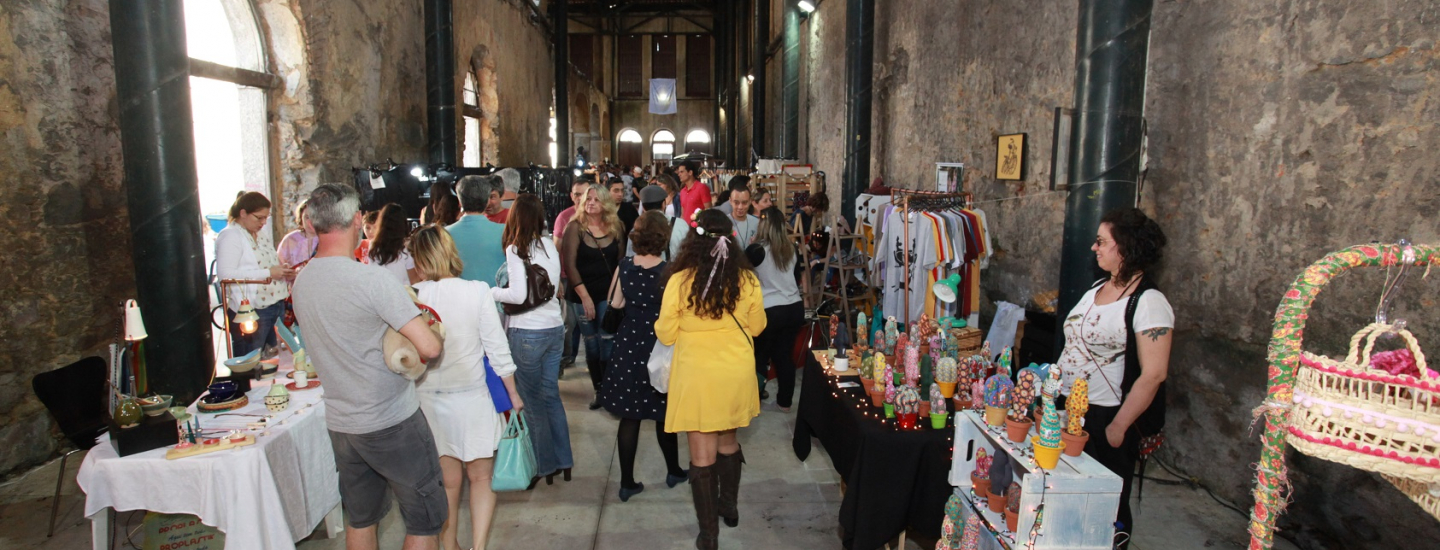
A cultural space since 2007, hosting exhibitions, benefit events and cultural presentations, it frequently serves as a location for shooting commercials, soap operas, mini-series and short and full-length feature films.
Tiles
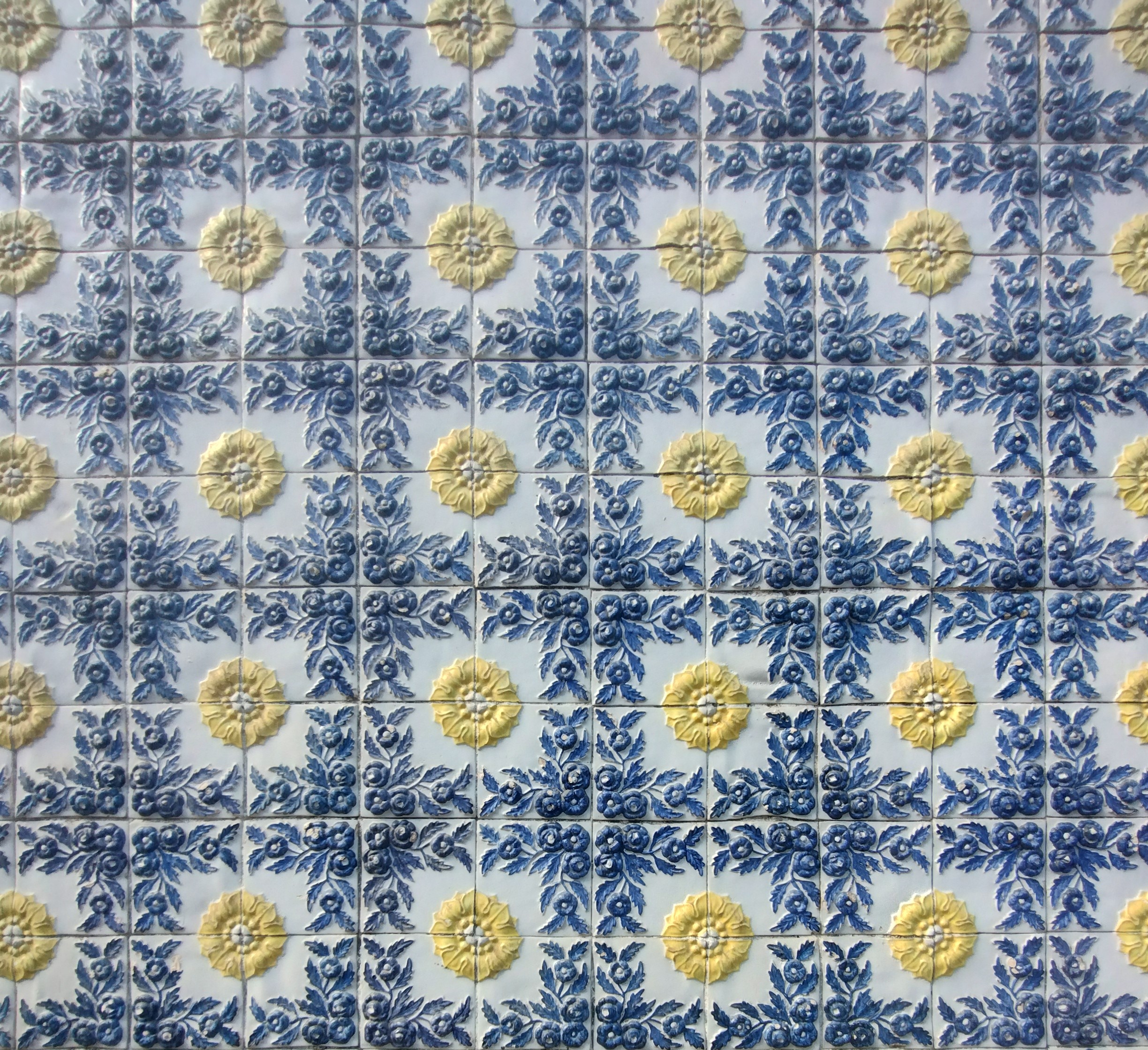
Seven thousand high-relief tiles showing the neo-classical influence characteristic of the Second Empire and imported from Portugal cover the building’s façade. More than a question of esthetics, the placing of the tiles in those days guaranteed an efficient seal and avoided constant painting.
Foto: Fotos PMS
Construction
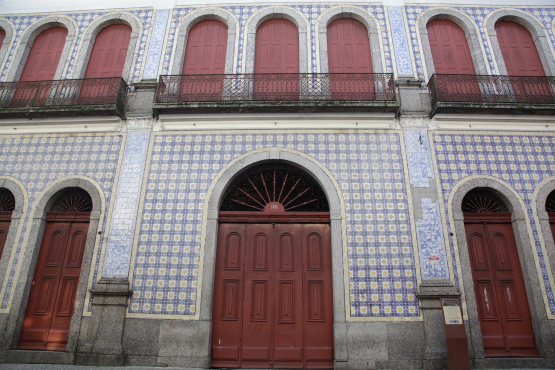
The very wide main doors allowed carriages to access the inside of the building. The upper floor was originally the family residence. Built from stones, whale oil, gravel, with wood floors and ceilings, the residence was designed in a ‘U’ shape, opening to the sea, which facilitated the process of loading and unloading the merchandise on the old wharves. With the demolition of the rear part of the house for the construction of the first docks warehouses in 1892, the opening of Rua Tuiuty and new buildings, this cargo access ceased to exist.
Photo: Carol Fariah
Other activities
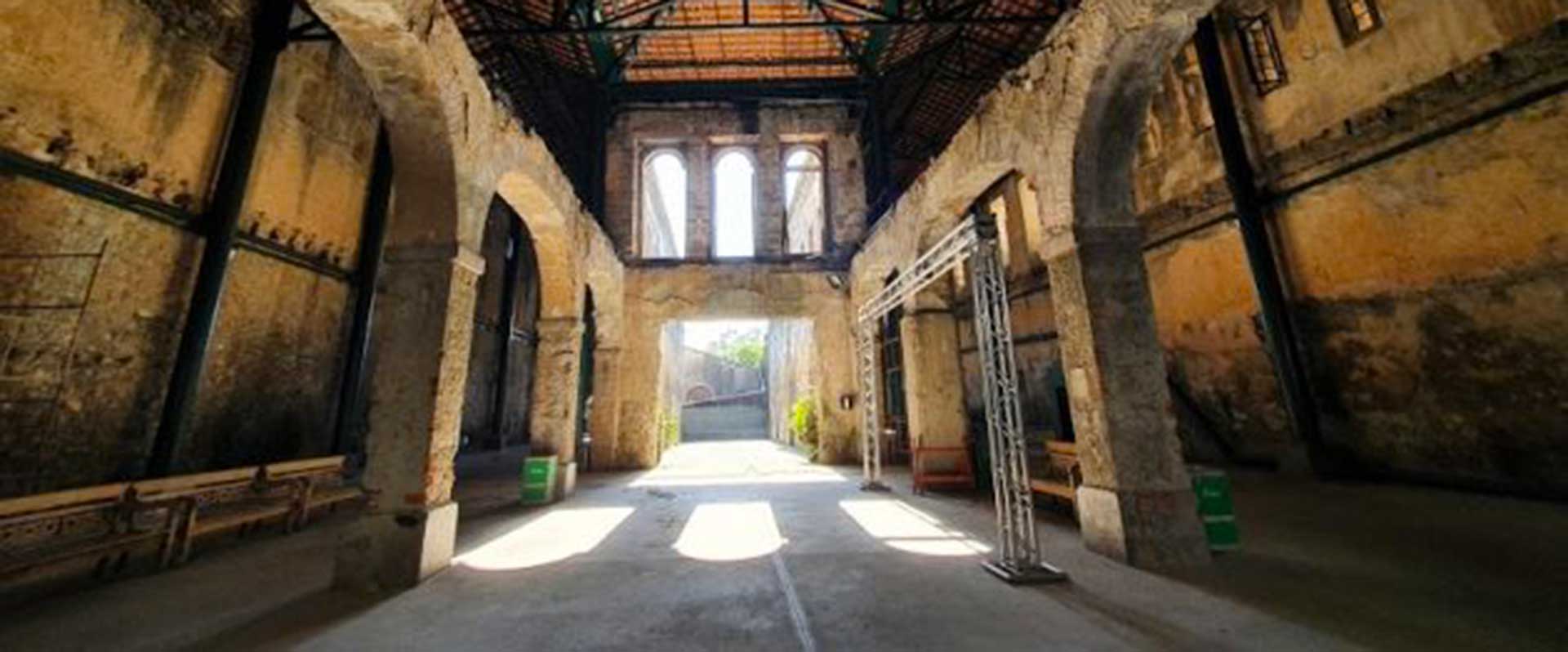
With the death of Ferreira Netto in 1868, the house underwent functional changes. For many years, a warehouse operated on the ground floor and a coffee broker’s office functioned on the upper floor. Then between 1940 and 1960 the building was turned into the Hotel Guanabara, later becoming a chemical fertilizer depot, which degraded the construction, especially inside. In 1973 IPHAN (Institute for National Historical and artistic Heritage) declared it a listed building (federal level). Then came preservation orders from Condephaat (state) and Condepasa (municipal).
Photo: Disclosure
Restoration
When the house was appropriated by City Hall in 1986, it was in a semi-ruin, with no roof or upper floor. Restoration of the façade took place in 1992, with the replacing of the original structure of the main door and tiles, restored or reproduced. Carried out by Luís Sarasá, the project was an artisanal task, producing seven thousand new pieces.
The building has housed the Espaço Cultural Frontaria Azulejada since December, 2007. This cultural space was conceived to hold cultural activities and intimate musical presentations. It can also be hired for events and has hosted launch parties for Rede Globo TV productions.
Photo: Susan Hortas