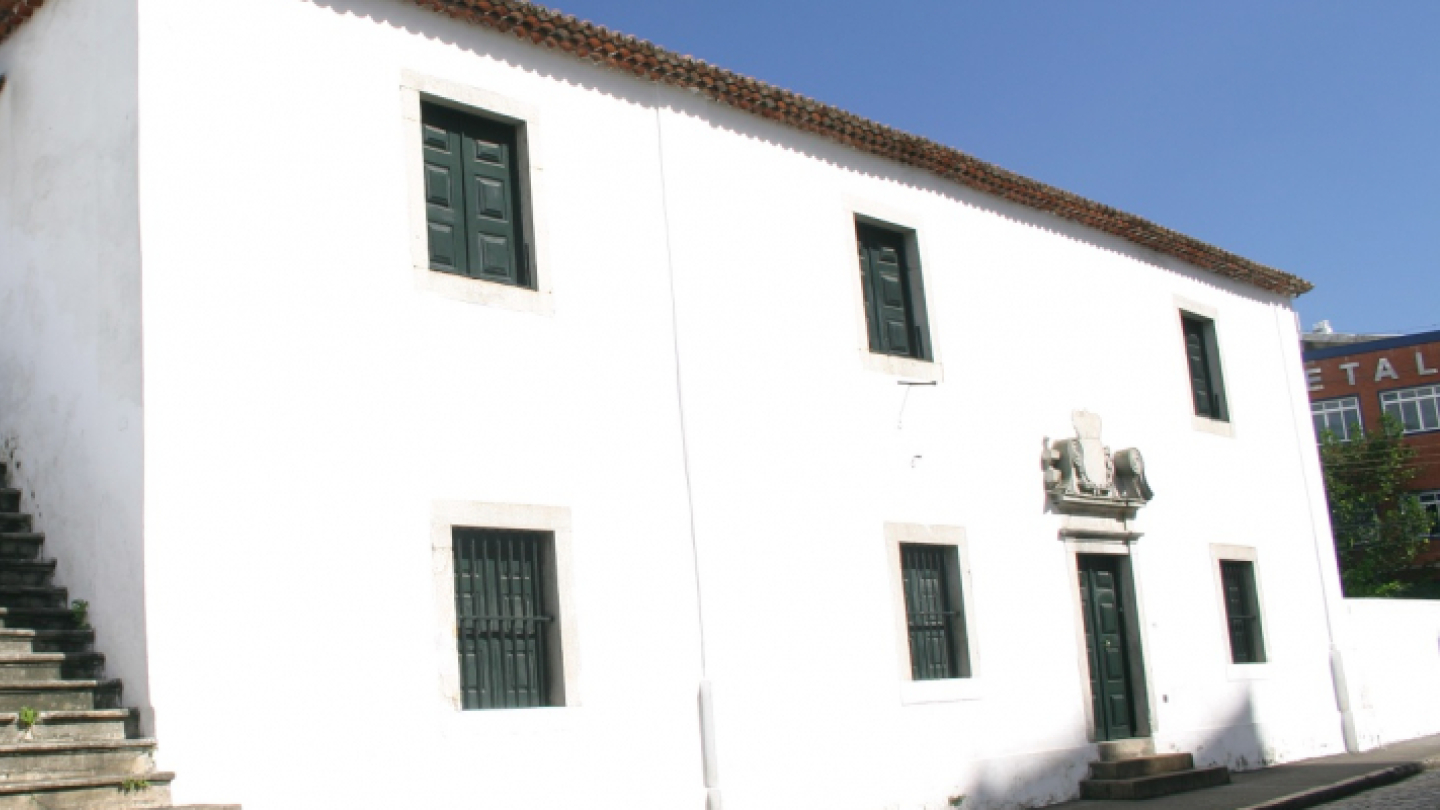


Top photo: Tadeu Nascimento
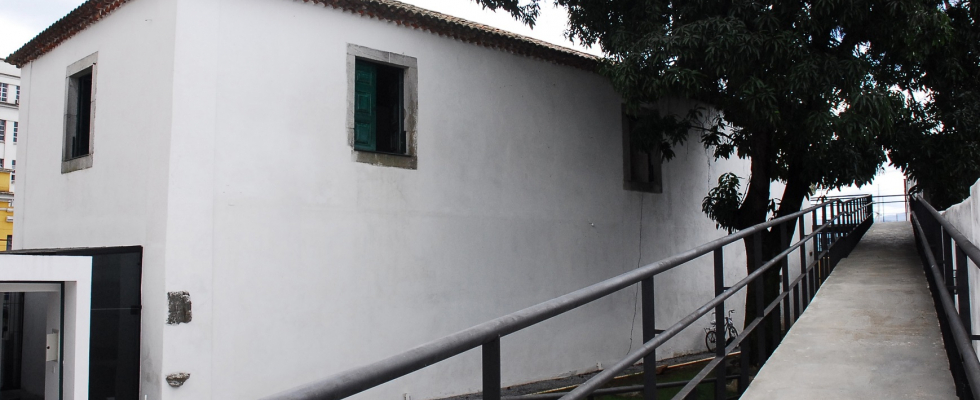
The Old Arsenal is the only colonial military building of its type in Brazil, with original 17th-century Portuguese characteristics, and is the oldest building in Santos
Built between 1640 and 1656 as a depository for war items, that is, weapons and equipment to protect the then Vila de Santos from attacks.
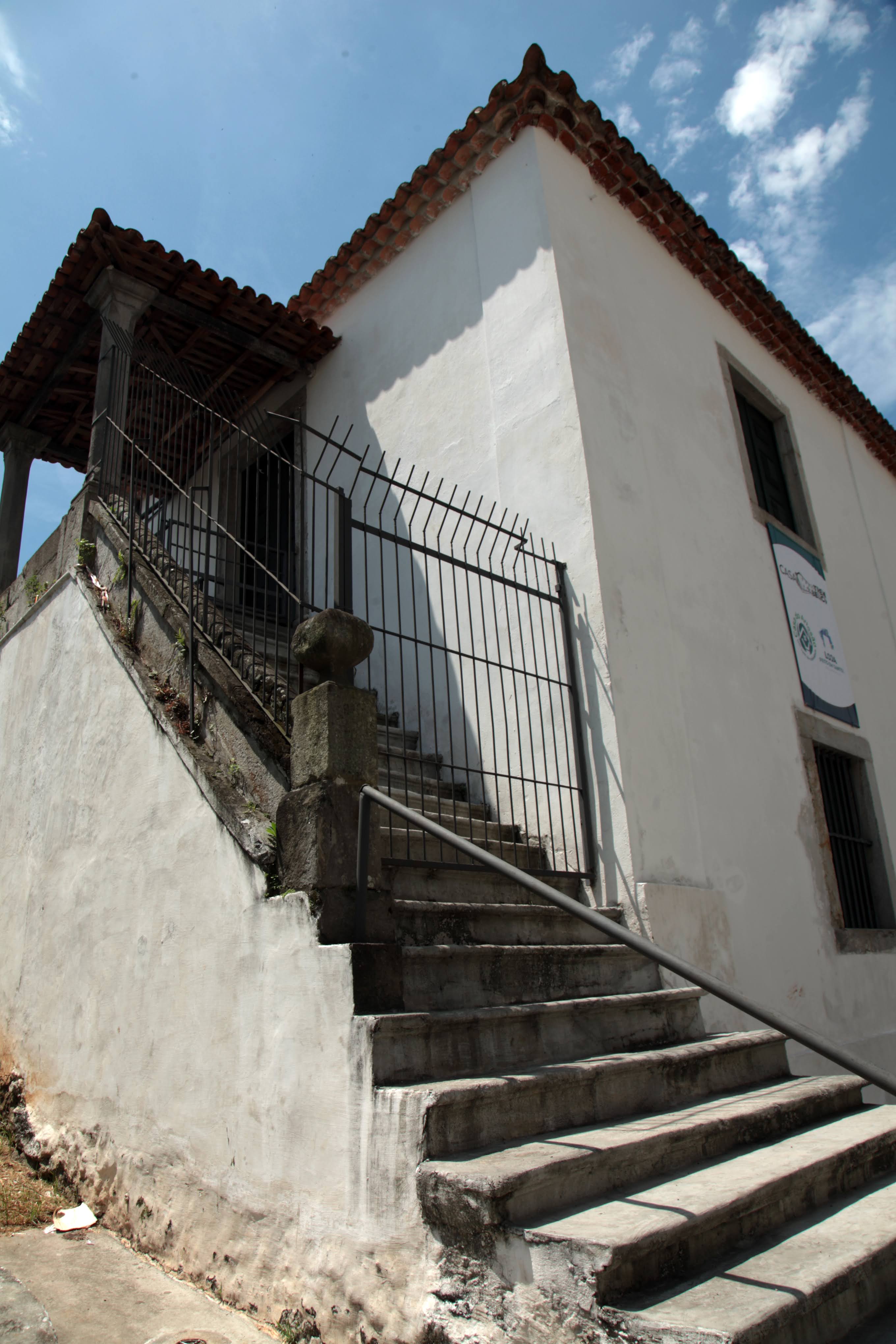
Steps
With 21 steps of varying height and depth, the external staircase was built in a way that made it difficult for intruders to access the building, since access to the upper floor was only possible through it. The unevenness meant that potential robbers would lose their balance and fall down the staircase if they tried to run up.
Photo: Francisco Arrais
Architecture
The building has maintained the same architecture since 1738. The stone door frames date from the time of construction (mid-17th century), and the walls, 90 to 95 centimeters thick, were made with a mixture of stone, lime from shell mounds, and whale oil. The roof, with its three layers of tiles, demonstrated maximum power.
The first-floor floor is original, made with wood from local trees and installed using the Portuguese technique of interlocking, without screws, nails, or glue.
Photo: Francisco Arrais
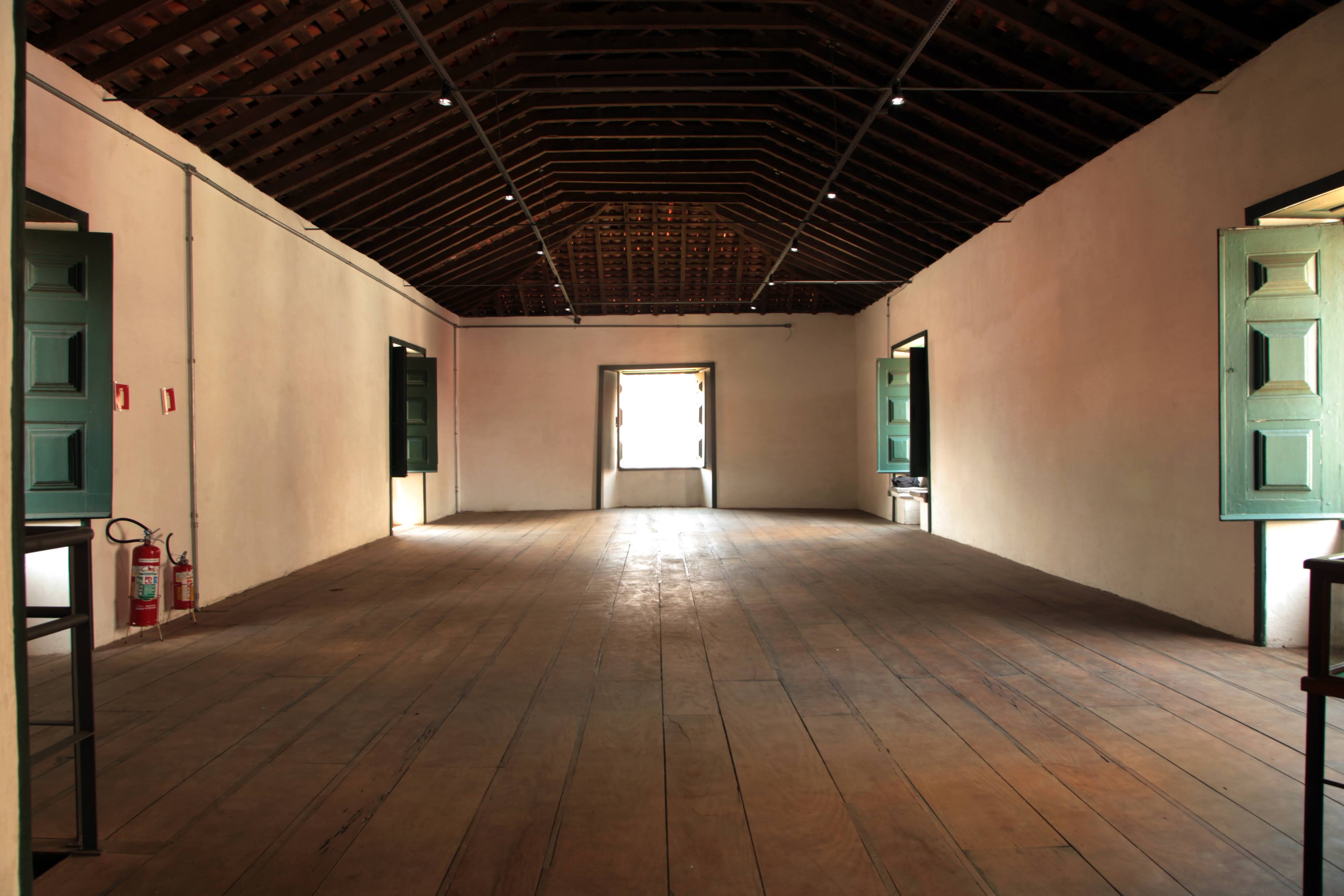
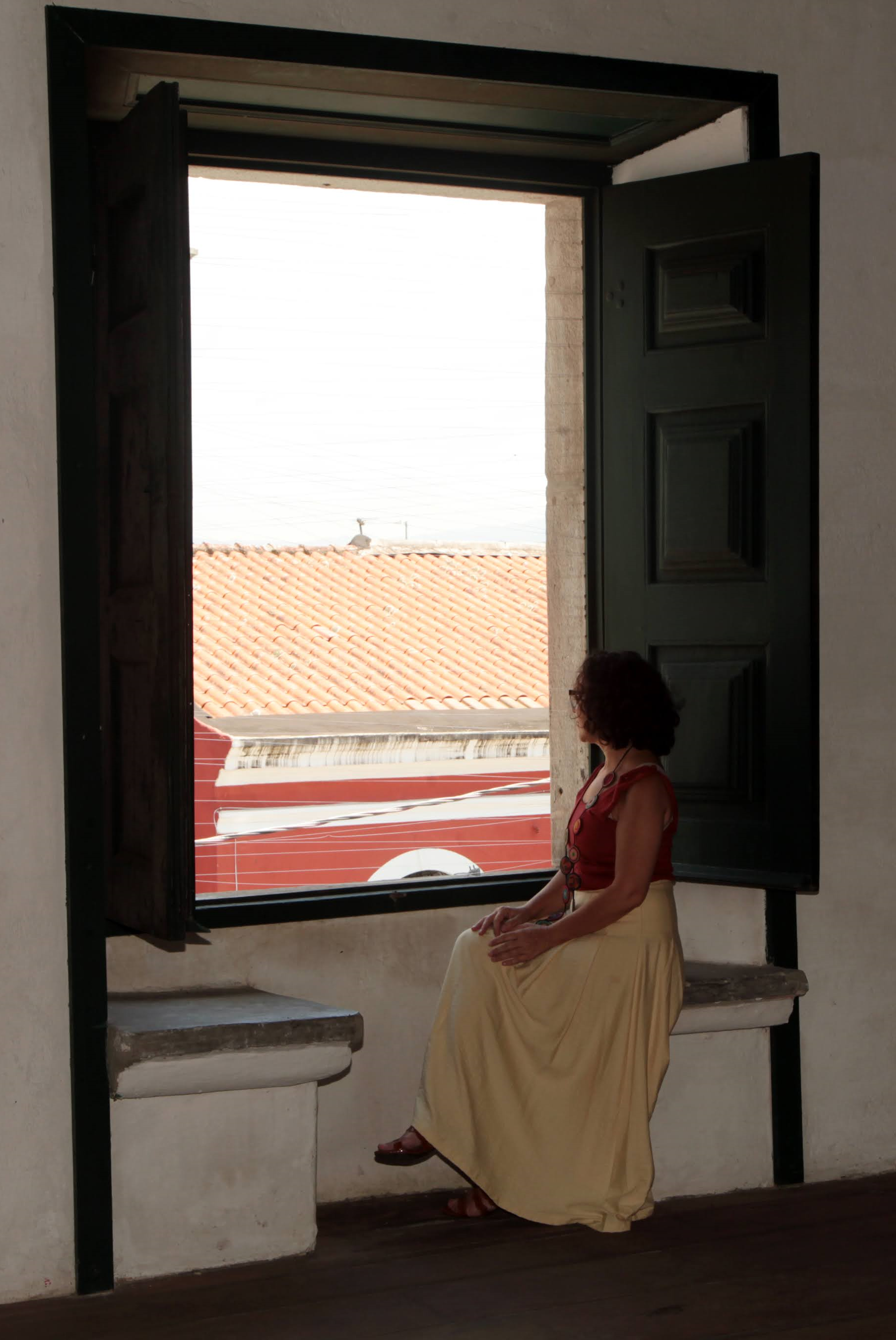
The Maria Inah Rangel Hall
The Maria Inah Rangel Hall, located on the 1st floor and a space for temporary exhibitions, features original stone benches ('namoradeiras') by the windows. It is the only room with windows offering views of the sea and the hills, which were guarded day and night at the time by sentinels.
The room honors the restorer and visual artist from Santos, who played a significant role in the recovery of the artistic, historical, and architectural heritage of Santos. Responsible for the conservation and restoration of the art collection of the Municipal Palace, she died in 2009 at the age of 55.
Photo: Francisco Arrais
The Artisan's House
The space focuses on courses for small local entrepreneurs, offering new methods and innovations in the craft sector.
You can find more information about the training on the Casa do Artesão Instagram page.
Photo: Isabela Carrari
Feito em Santos Collaborative Store
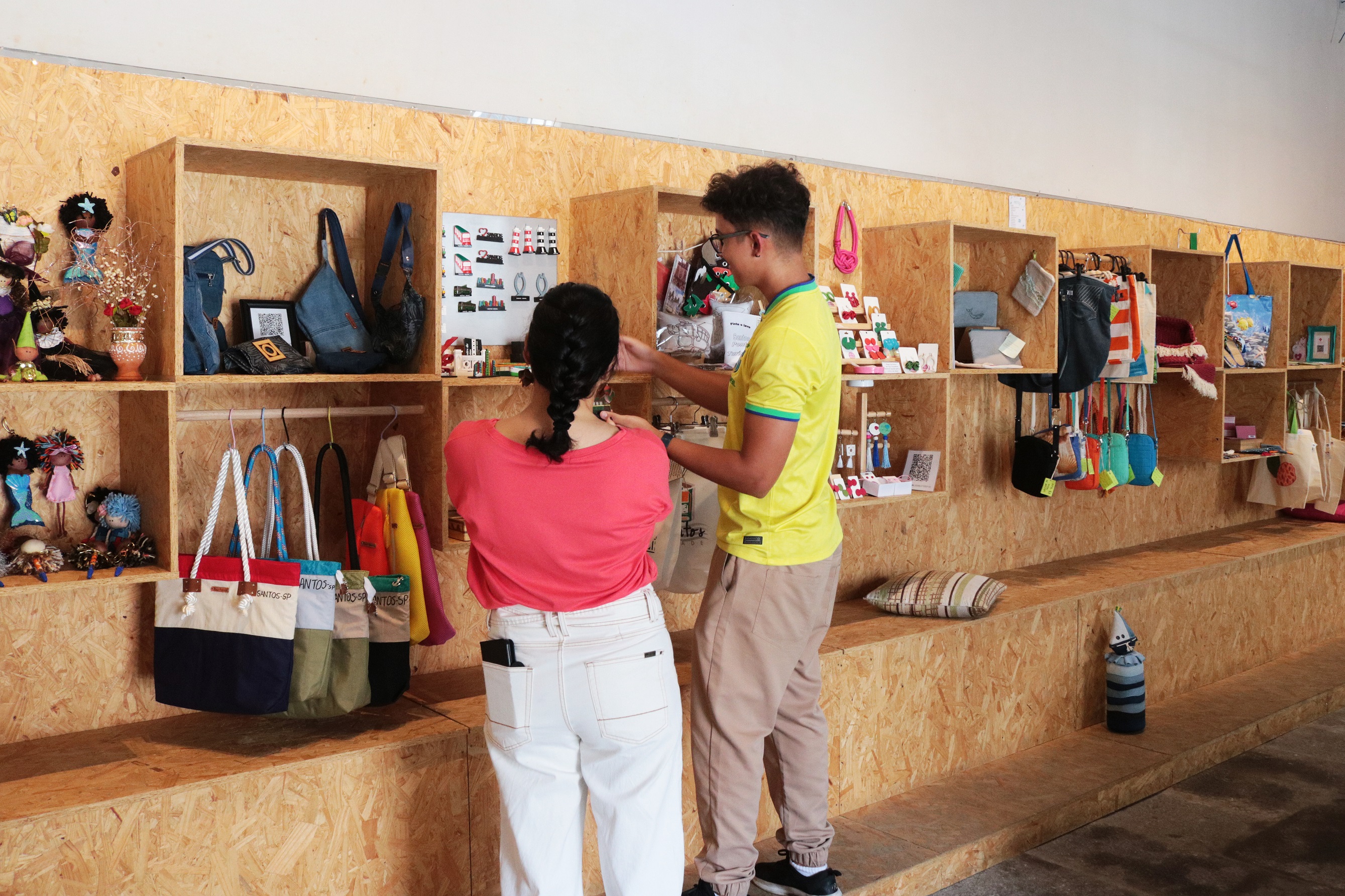
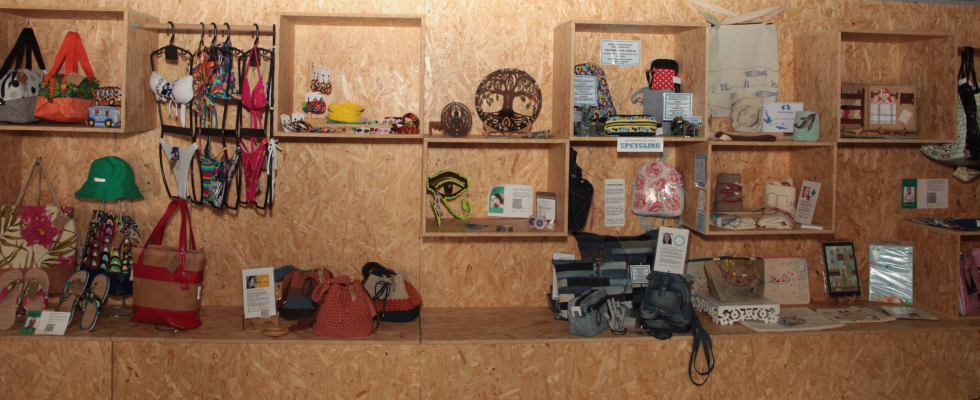
The 'Feito em Santos' (Made in Santos) Collaborative Store functions as a traveling fair, where exhibitors will stay in one location for a period of time and then give up the space to other professionals. The exchange will be through a public call for proposals, where entrepreneurs can apply to exhibit in the Store.
Photo: Francisco Arrais
Exhibition
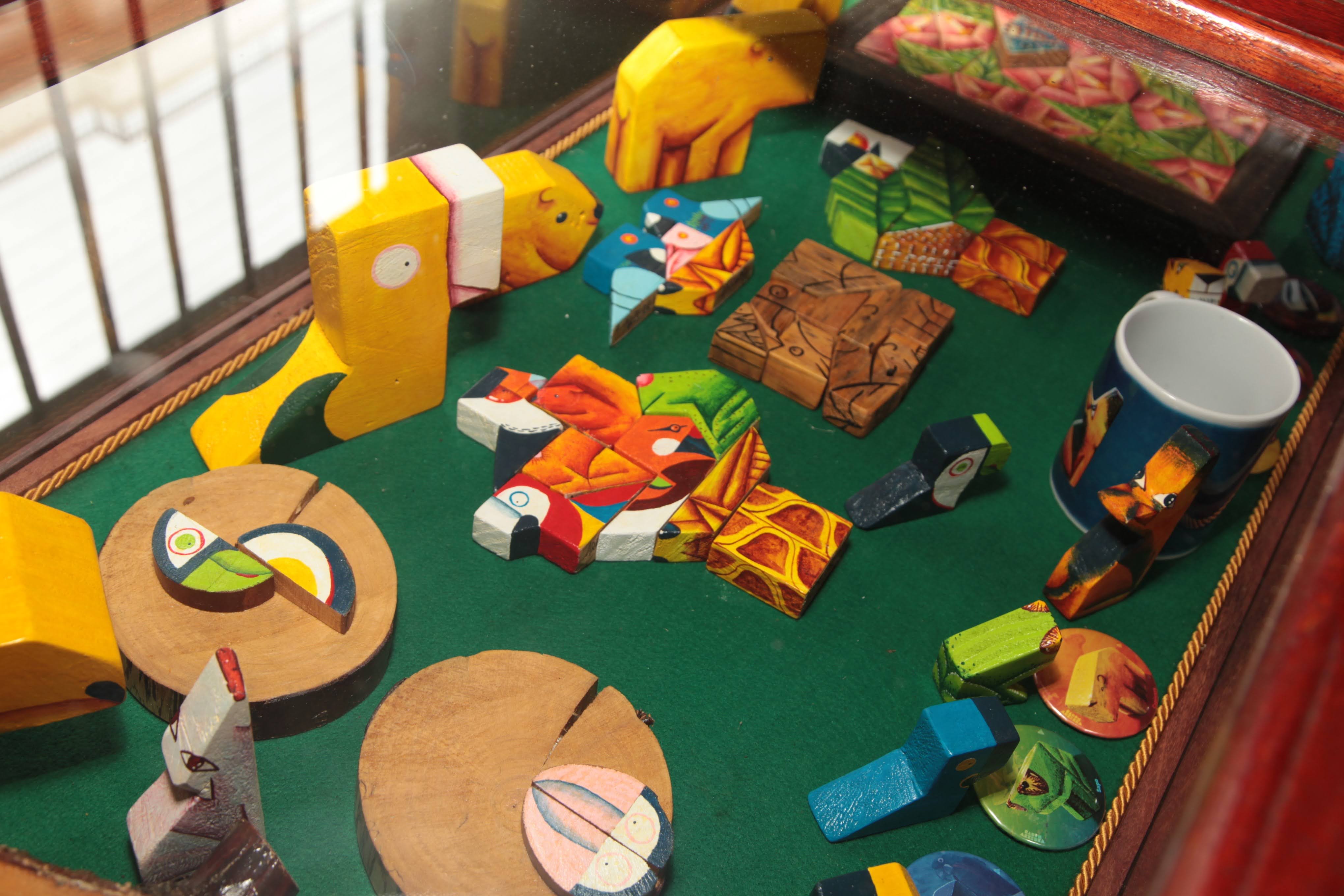
The Showcase Room displays works by artists and designers in various techniques, including watercolor, ceramics, wood, painting, and sculpture. The exhibition is rotating and will always be receiving new works.
Foto: Francisco Arrais
History
A national heritage site since 1940, the Casa do Trem Bélico (House of the War Train) has served as a shooting range, school, electoral registration office, Army Subsistence Service, and Youth Center. In 2009, the building was restored and modernized.
Foto: Vanessa Rodrigues