

Top photo: Francisco Arrais
With a large collection of marine biology from Latin America, it possesses the largest collection of taxidermied sharks in the country, including the embryo of a specimen with two heads and fossilized teeth of a megalodon, a prehistoric animal extinct for 30 million years.
It also exhibits a whale shark; a sunfish, the largest bony fish in the world; seabirds and shells weighing over 100 kilos. A large part of the collection comes from abroad.
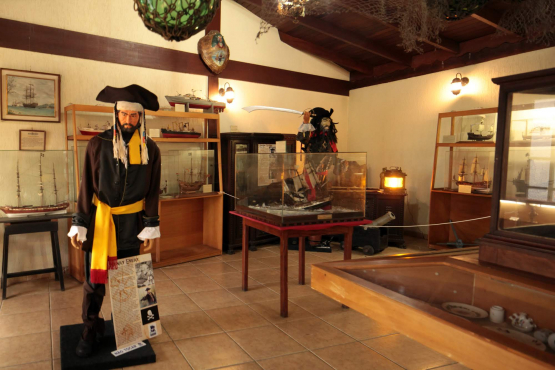
The Maritime Museum boasts one of the main collections of underwater archaeology and maritime history in Brazil. To the sound of old sailors' songs, visitors witness simulated cannon fire, contemplate models of pirates and captains, and appreciate relics recovered from 18th and 19th-century vessels, including pirate ships and the Titanic.
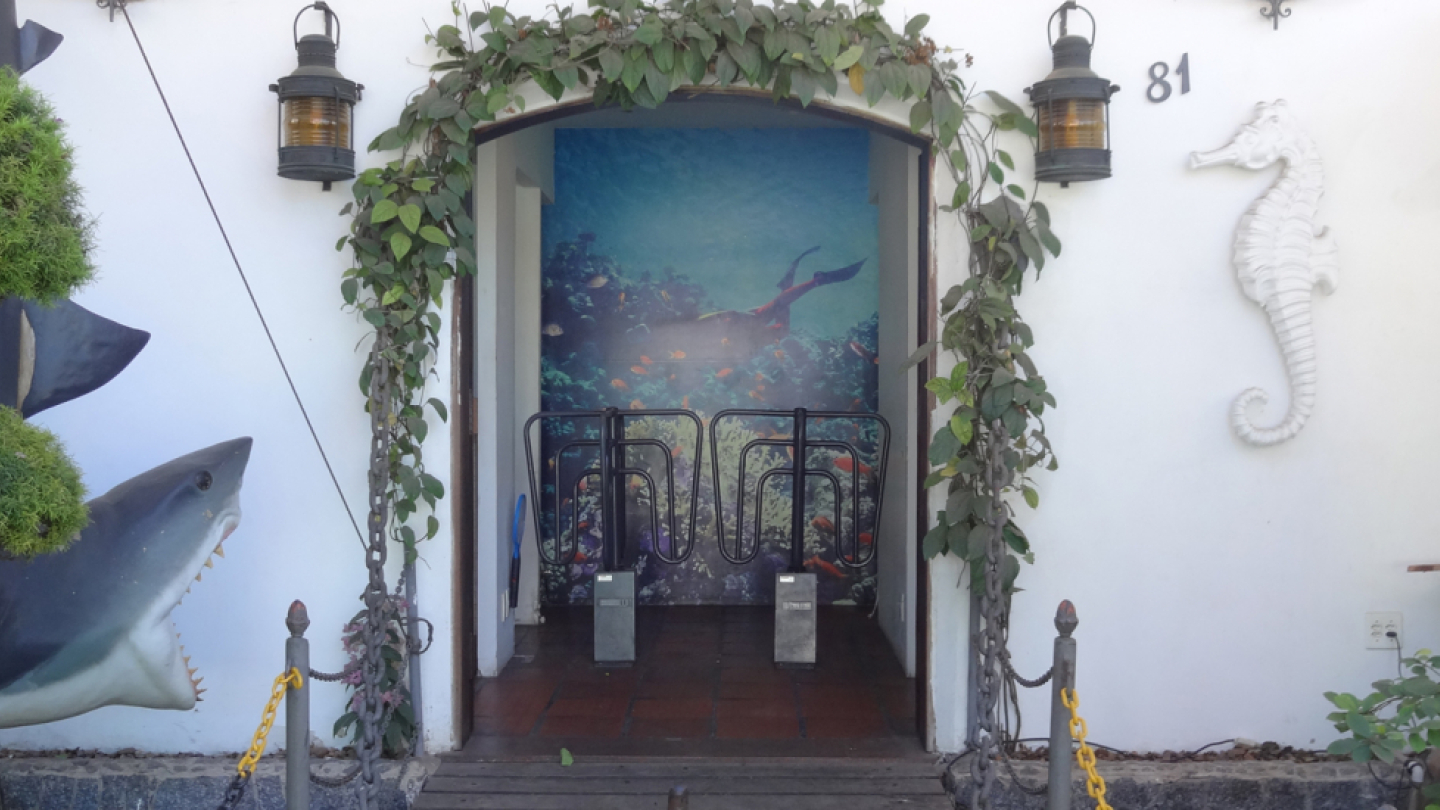
The entrance to the museum, which opened in December 2005, is adorned with ship flags and a life-size pirate figure. Inside, there are scale models of famous vessels, a collection of medals from various nationalities, and 25 oil paintings on canvas by Carlos Alfredo Hablitzel, depicting important Brazilian and foreign naval episodes, including the first naval battle in the bay of Santos in 1580.
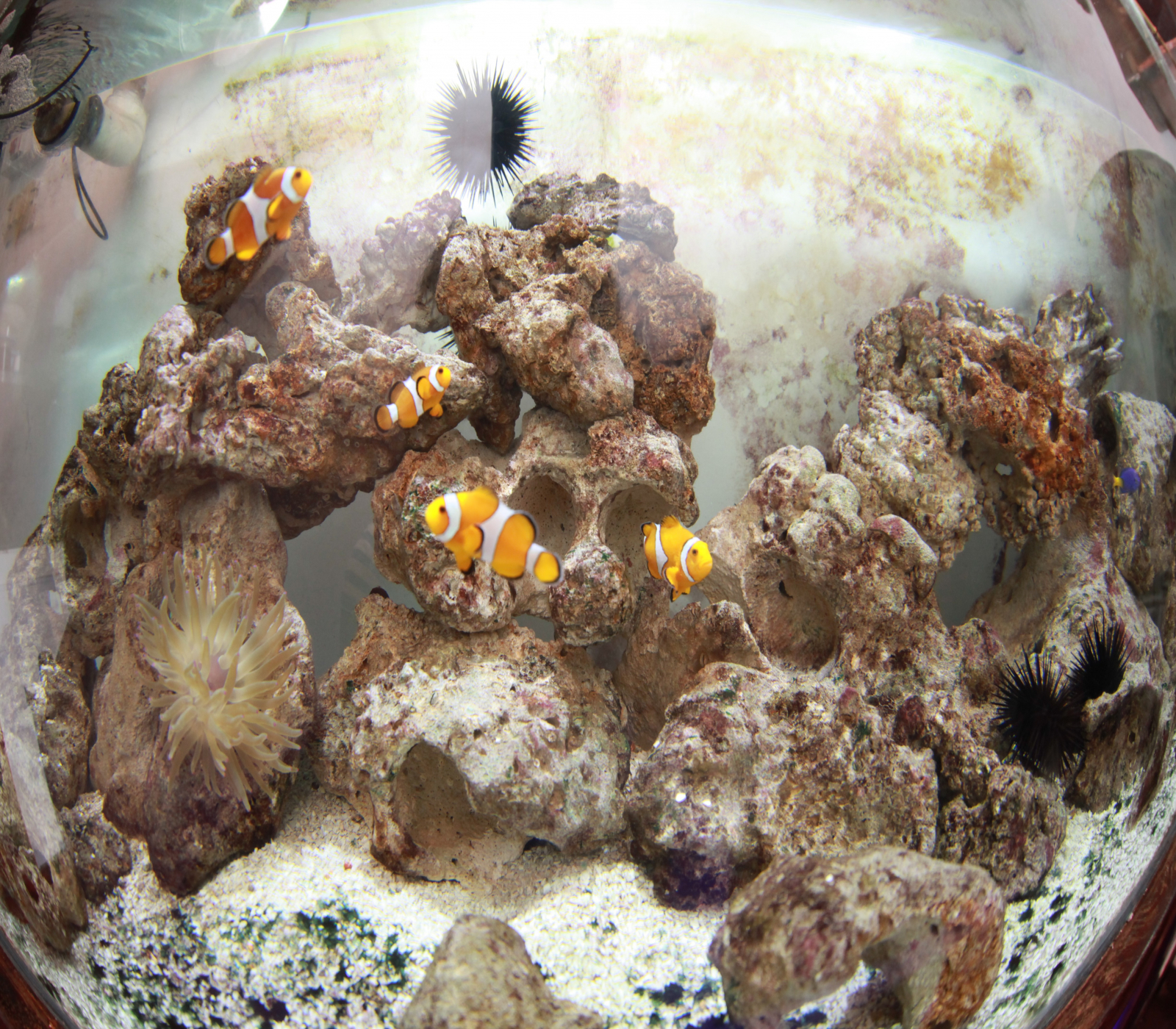
Aquariums
Clownfish, blue tangs, and yellow tangs, featured in the film 'Finding Nemo', can be seen in one of the museum's aquariums, as well as sponges and crustaceans that inspired the animated series 'SpongeBob SquarePants'.
Photo: Susan Hortas
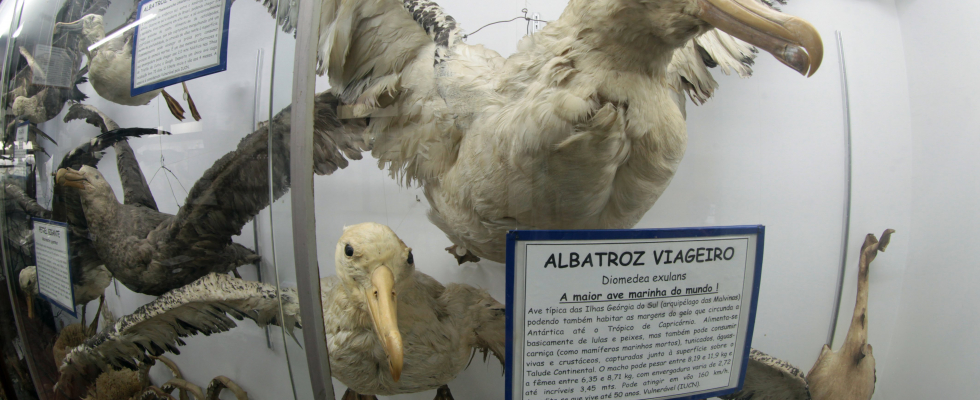
Albatross
With a wingspan of three meters, the wandering albatross is considered the largest seabird in the world. Native to the South Atlantic, the species is at risk of extinction – of the 21 existing species, 19 are threatened.
Photo: Francisco Arrais
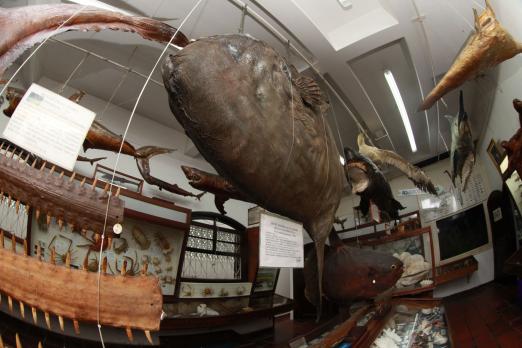
Sunfish
The world's largest bony fish, measuring 1.60 meters and weighing 254 kilograms, the sunfish is also on display. This circular species, which can reach six meters in length and weigh 900 kilograms, is found in the temperate and warm zones of the Atlantic and Pacific oceans.
Photo: Francisco Arrais
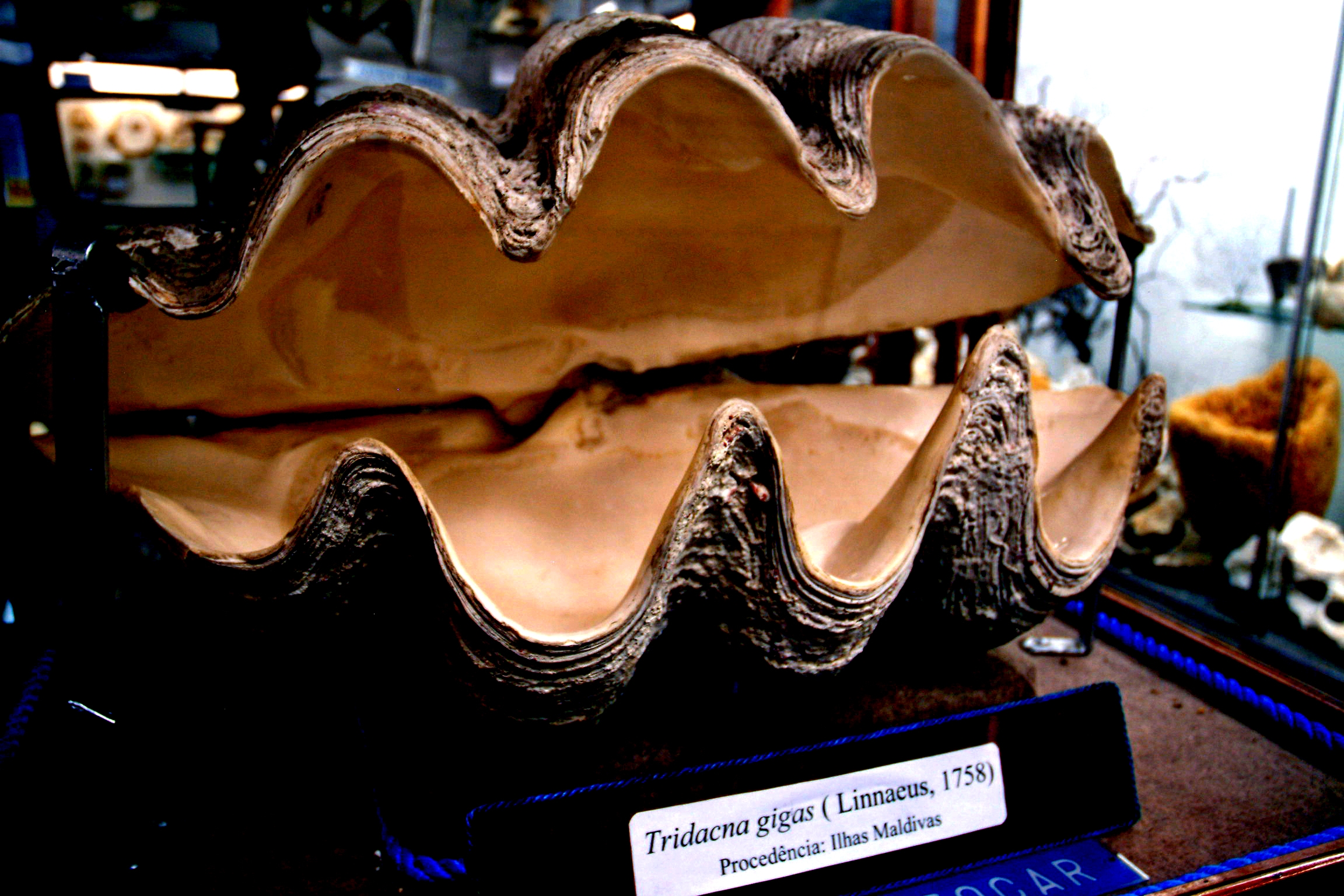
Giant Shell
Among the more than 21,000 marine shells on display, two giant specimens of the Tridacna gigas species, considered the largest in the world, stand out. One of them, from the Philippines, measures one meter in diameter and weighs 148 kilograms.
Photo: Antonio Vargas
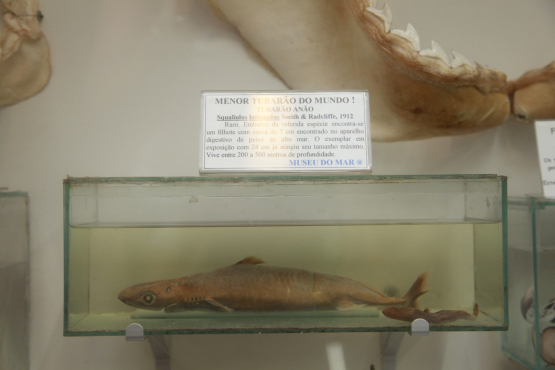
Dwarf Shark
The smallest specimen of the species is the dwarf shark, measuring only 24 centimeters in length. It has a bioluminescent belly, causing it to glow in the dark, and is the only shark that possesses a pointed spine on the front part of its first dorsal fin.
Photo: Francisco Arrais
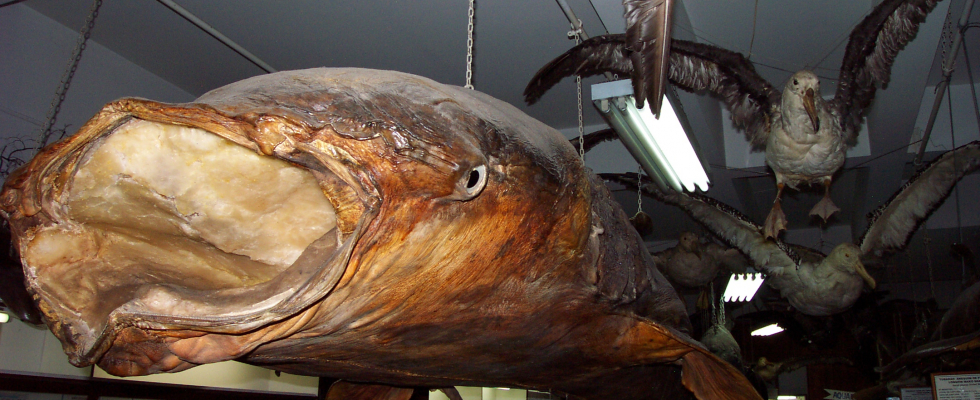
Whale Shark
The largest of its kind, the whale shark at the Sea Museum is six meters long and weighs over a ton – it is the only specimen on display in South America. The museum holds 40% of all shark species in the world.
Photo: Marcelo Martins
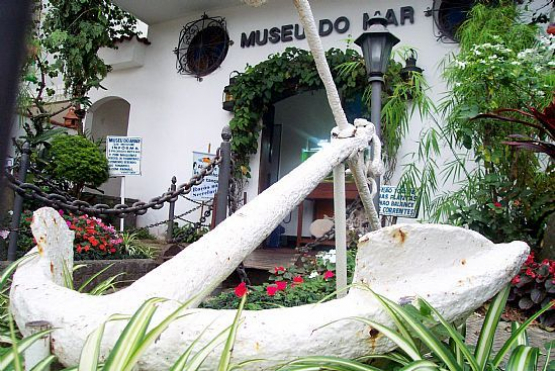
Activities
A privately owned cultural institution, the Sea Museum, inaugurated in 1984, also offers courses in amateur free and autonomous diving, and taxidermy focused on the embalming of fish and crustaceans.
Photo: Antonio Vargas
Titanic
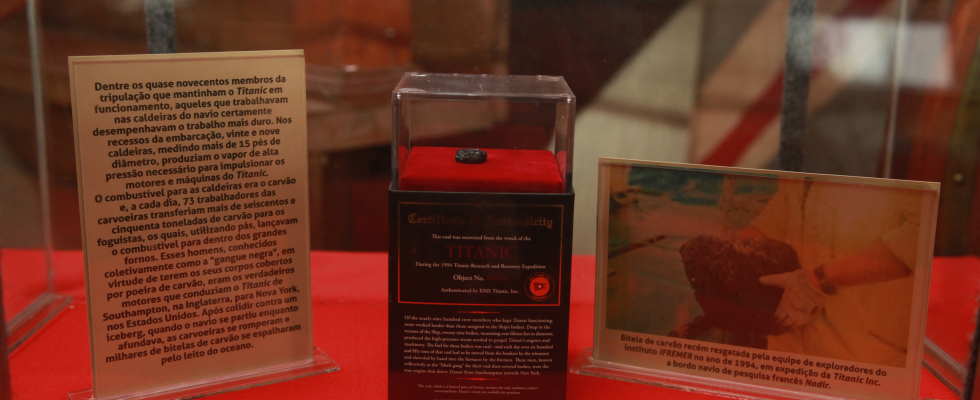
A piece of coal used to power the Titanic is one of the highlights of the space dedicated to this ship, which sank in 1912 on its maiden voyage, killing more than 1,500 people. This is because only the Titanic Incorporation company holds the legal rights to commercially exploit the ship, and the only item that can be sold to the public is the coal that fueled the boilers.
Found near the ship's wreckage, at a depth of about 3,800 meters, large clumps of coal were recovered in a 1994 expedition in the North Atlantic, off the Canadian coast. The space also features a model of the vessel; posters; a flag of England, where the ship was built; compasses and a rudder similar to those of the time.
Photo: Susan Hortas
Prince of Asturias
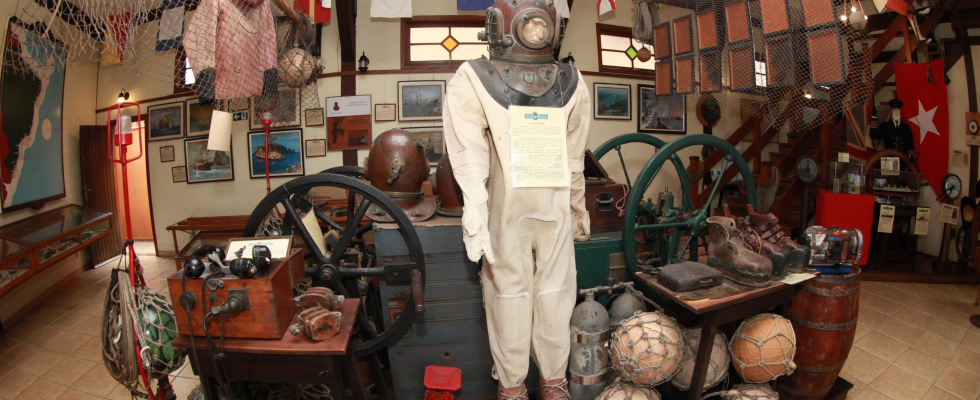
Also on display are paintings and various objects from the Spanish transatlantic liner Príncipe de Asturias, which sank off Ilhabela (São Paulo) on March 6, 1916, in the largest shipwreck on the Brazilian coast. There are pieces of the vessel, cutlery and platters, a lamp and bottles of whiskey. The ship was heading to Santos and sank in less than 10 minutes, killing 445 people - 143 survived.
There is also old diving equipment, such as an English Siebe Gorman diving suit, used in 1950 in the rescue of pieces from a French pirate ship that sank off Paranaguá (Paraná) in 1718. The old diving equipment was manufactured in 1910 and weighs more than 100 kilos - the helmet alone weighs 7 kilos and each boot, 12 kilos.
Photo: Susan Hortas
Megalodon
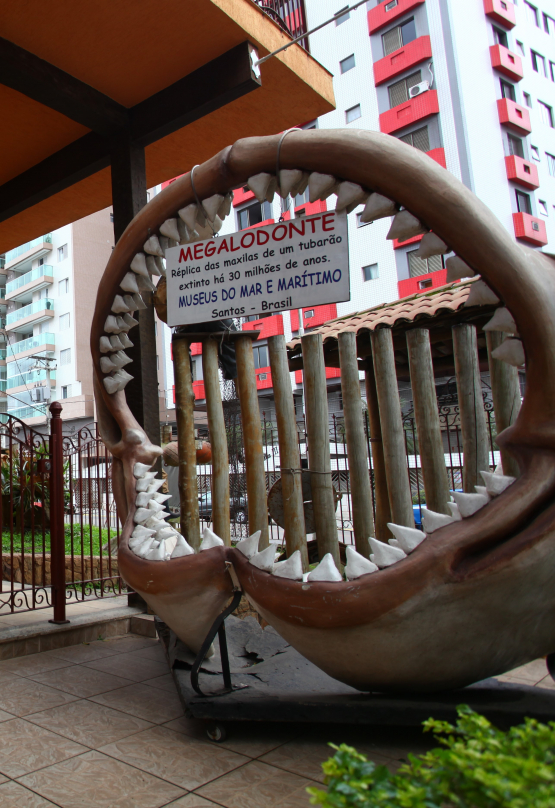
Anyone interested can learn how to tie the bowline knot, the most important knot in seamanship, and pose for photos with pirate hats and swords, and even next to a replica of the jaw of the megalodon, a prehistoric shark that became extinct 30 million years ago.
Photo: Francisco Arrais
Gorch Fock's Diary
On the upper floor of the museum is a diary belonging to crew member Gorch Fock, found on a German ship that transported Nazis in 1939.
Photo: Francisco Arrais
Bibliographic and Documentary Collections
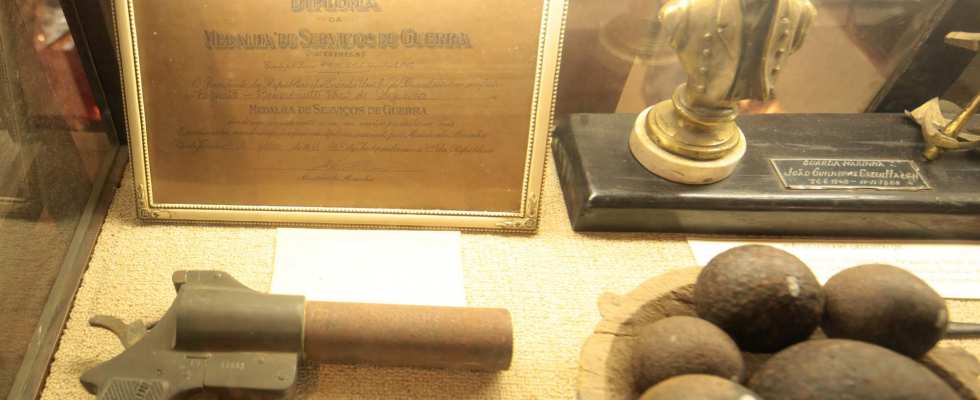
Also noteworthy are the museum's bibliographic and documentary collections, with approximately one thousand books related to maritime and naval history; 3,000 postcards from shipping companies; 1,300 records of shipwrecks on the Brazilian coast; and a newspaper archive.
Photo: Francisco Arrais
Medals
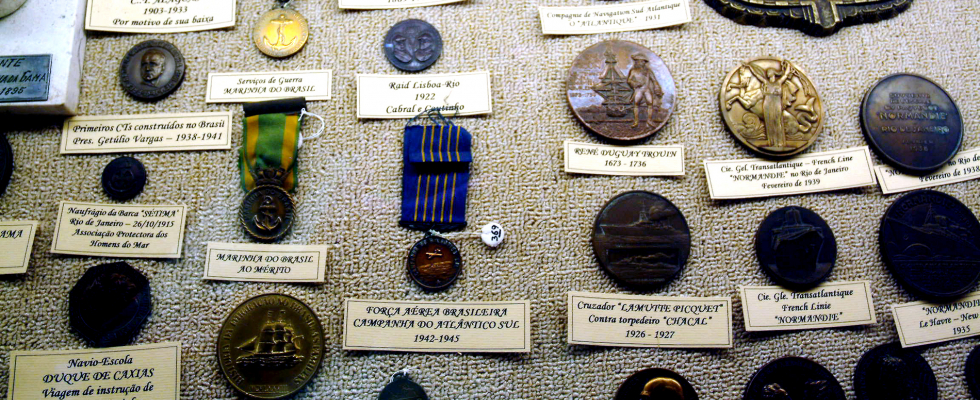
Another attraction of the Maritime Museum is the collection of commemorative medals from the Brazilian Navy and other countries abroad, as well as glass buoys made from bamboo straws in Japan more than 50 years ago.
Photo: Francisco Arrais
Property
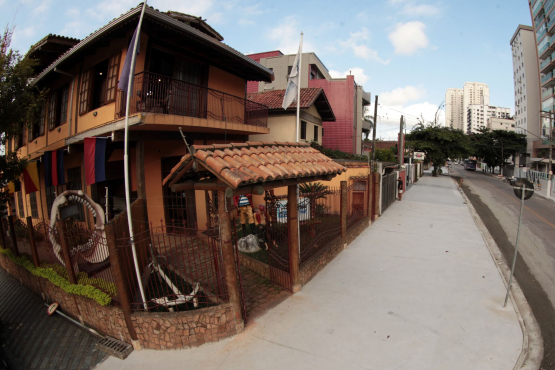
The property where the museum is located resembles an old fisherman's house and the very tradition of the Caiçara people. It has solid structures of hand-carved wood, presenting an architecture similar to the constructions of the northern coast of the State of São Paulo.
Photo: Francisco Arrais